


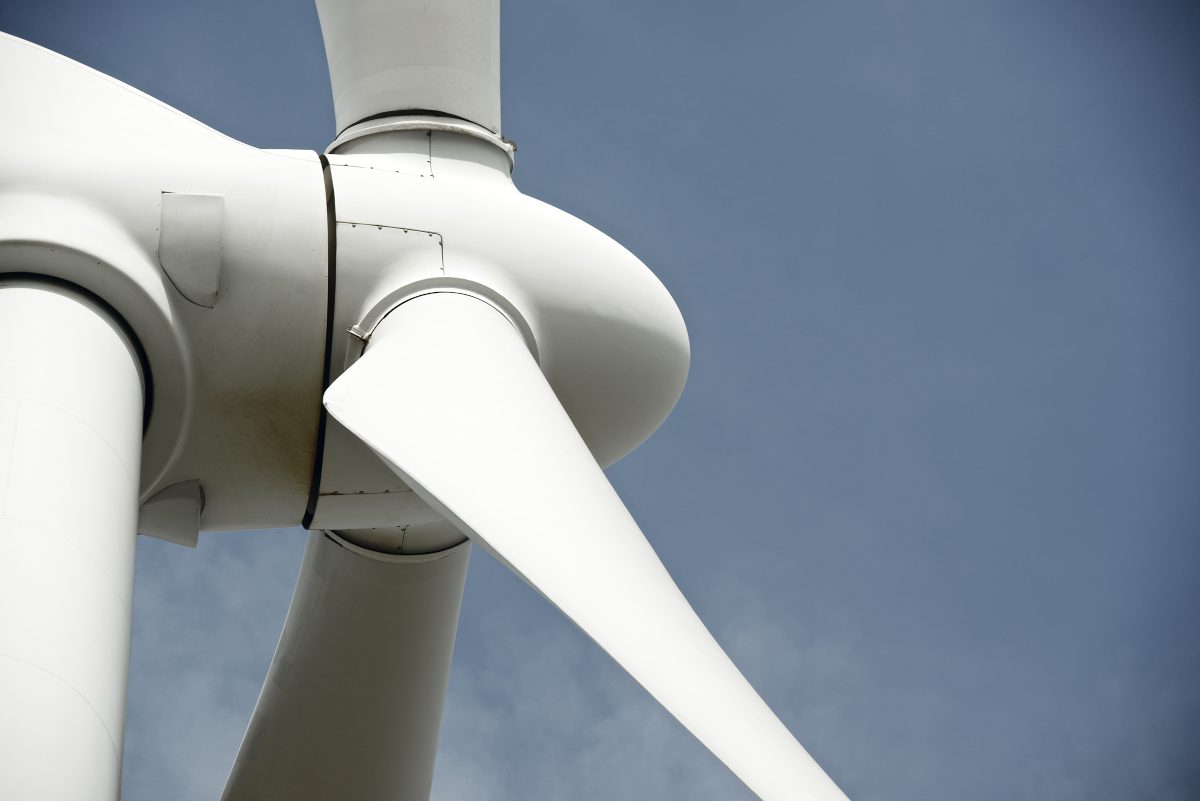
A German research project is trying to develop wind turbine rotor blades made entirely from renewable materials.
The group – a partnership between Kiel University of Applied Sciences (HAW Kiel) and German boatbuilder Nuebold Yachtbau – is experimenting with natural fibres such as flax, balsa wood, and Paulownia to replace conventional fibreglass and carbon composites traditionally used in rotor blades.
The rotor blades of wind turbines produce tens of thousands of tonnes of waste every year, which will multiply in the next few years with the decommissioning of older plants. While 85 percent of the steel and concrete of wind turbines can be recycled, the disposal of rotor blades is a major challenge. “We want to show that sustainable rotor blades made of flax fibres and other renewable raw materials can meet all technical requirements and thus make a real contribution to even more sustainable wind energy,” explained project manager Professor Sten Böhme from the HAW Kiel. The aim of the project is to build a prototype for small wind turbines in the next two years (a rotor blade with a rotor area of less than 200 square meters).
Proceeding from an investigation of suitable natural fibre materials such as flax, balsa wood and paulownia (a bluebell tree plant), and testing their resilience, the researchers will progress to design the shape and structure of the rotor blades using computer simulations. In the next step, the first models are created, the stability and performance of which Böhme’s team tests in the wind tunnel of HAW Kiel. If these tests are successful, the project partners produce rotor blades in their original size and subject the prototypes to the load tests set out in the DIN standard “Wind Energy Plants”.
In the run-up to the project, the group said they had already undertaken important preparatory work. They have investigated how fibreglass composites can be replaced by sustainable natural fibre materials. For this purpose, Nuebold Yachtbau produced various samples from flax fibres and tested them for their load-bearing capacity and stability. “Currently, for example, the composite material content is replaced by flax fibre without taking into account the special material properties of the natural fibre,” said Managing Director Jaron Nübold. “We are convinced that insights into the dynamic material properties in particular can enable the breakthrough in the broad application.”
The EKSH is providing around 175,000 euros funding for the project. In a press release, Managing Director Professor Frank Osterwald framed the project as an important contribution to the energy transition: “Wind is Schleswig-Holstein’s most important energy source, whereby the decommissioning and recycling of the generation plants should already be considered during construction. The development of rotor blades for small wind turbines made of natural materials can be implemented quickly on site and at the same time provides important impulses for the large plants worldwide. The EKSH would like to see such leverage for its funded projects.”
Progress towards circularity in wind energy has been somewhat slow, although a growing number of initiatives has been announced in recent years. A broad appraisal of the overall challenge from a few years ago is available here.