



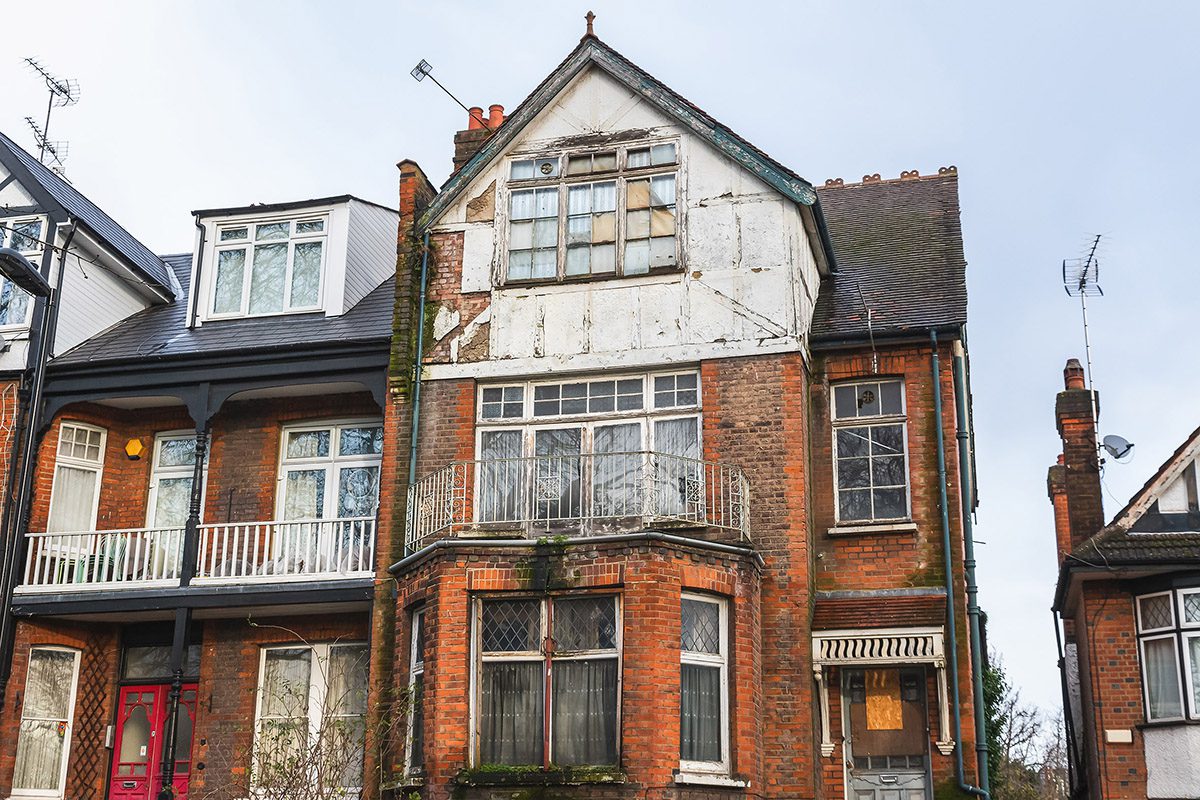
There are currently around 750,000 empty homes in England, and around 300,000 long-term empty (vacant for over six months). Bringing empty properties back into use can help meet housing needs and revitalise communities, and pathways to achieving this were explored at the Tackling Empty Homes Conference in December, supported by Action on Empty Homes, and hosted by the Chartered Institute of Environmental Health (CIEH).
Dr Henry Dawson, Senior Lecturer and Programme Director for Environmental Health at Cardiff Metropolitan University, offered guidance on the powers and enforcement tools available to delegates to deal with long-term empty homes, including Empty Dwelling Management Orders (EDMOs). EDMOs allow a local housing authority to secure the occupation and proper management of privately owned houses and flats that have been unoccupied for a specified period of time and where certain other conditions are met.
Graham Sievers, Chairman of the Property Guardian Providers Association (PGPA), presented on the future of property guardianship and its role as a possible new housing solution.
Property guardianship enables individuals or couples to live in temporarily vacant buildings for a licence fee in exchange for keeping them secure and maintained, through being occupied. This, he said, benefits property owners by protecting their vacant buildings from squatters and vandalism and the guardians gain significantly cheaper housing than traditional renting.
Chris Bailey, National Campaigns Manager at Action on Empty Homes, looked in his session at national and regional trends, as well as key questions and potential solutions to the issue. He said long-term empty homes are at their highest level since 2009, with a particularly steep rise in the last year.
He told delegates there is no simple solution to the issue with greater resourcing, updated and improved local authority powers and innovation needed, including new partnerships and approaches.
Sam Bloomer, Policy Officer, Shelter, spoke about what he described as the ‘win-win’ of tackling empty homes to fast-track social rent delivery, with the UK seeing a net loss of social rent homes every year.
The conference concluded with two sessions from a Local Authority perspective. Claudia Bowring, Empty Homes Officer at Rushcliffe Borough Council spoke about the work she and her team have been doing to bring empty homes back into use in the Nottinghamshire area.
Tom Davies from No Use Empty, the Kent Empty Property Initiative, profiled the success of that initiative in the South-East which he said has not only created new homes to help address the housing shortage but helped improve the urban environment in Kent and improved the social wellbeing of the local economy.
Ian Andrews, Head of Environmental Health at CIEH, who chaired the conference, said:
“Bringing properties back into use not only supports local authorities and improves our communities but also provides meaningful solutions to the ongoing housing challenges being faced across the country.”
More information about upcoming events organised by CIEH can be found here: www.cieh.org/events