

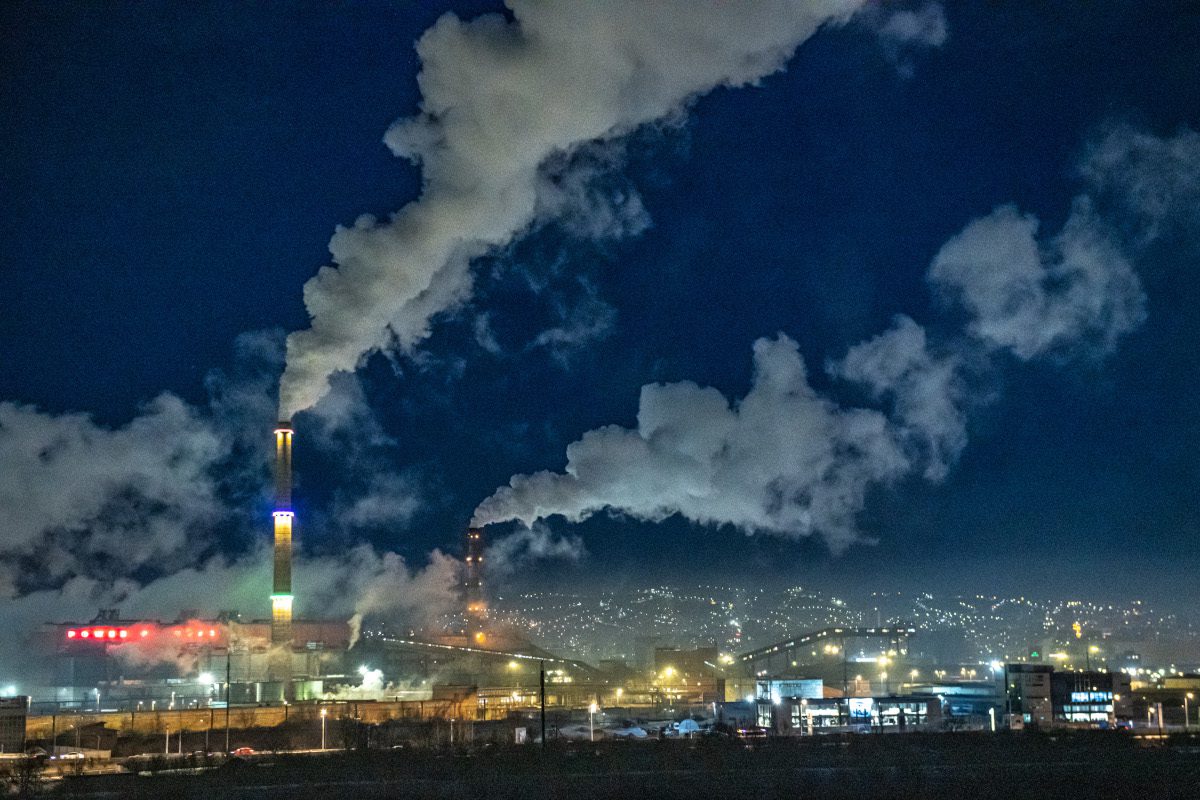
A deep-dive study on the pollution disclosure practices of publicly listed companies around the world appears to find that, while most acknowledge air pollution through their reporting, measurable emissions data and information on individual pollutants are uneven or lacking.
The air pollution reporting gap: Evidence from 1,000 organizations across high-emitting sectors, produced by GRI* with support from the Clean Air Fund, examines 2023-2024 sustainability reports spanning eight sectors. Key insights include:
- Companies talk about air pollution more than they measure it. While almost all companies (91%) published a sustainability report, fewer than 40% mention one or more specific air pollutants, under one-third provide quantitative data – and even fewer set or monitor progress on reduction targets.
- Most businesses do not disclose pollutants known to impact health and the environment. Data on nitrogen oxides (NOx), sulphur oxides (SOx), and particulate matter (PM) are reported by less than one-in-three organizations. Additionally, the inclusion of analysis on volatile organic compounds (VOCs), hazardous air pollutants (HAPs), and persistent organic pollutants (POPs) is all well below 10%.
- Higher quality reporting is provided by organizations that use global standards. The 57% of companies that reference the GRI Standards disclose up to three times more pollutants. However, even among these firms, most do not fully apply disclosure requirements under GRI 305: Emissions 2016.
- Reporting practices by sector reveal leaders and laggards. Companies in chemicals, mining, and construction materials provide more detailed reporting – while agriculture, pharmaceuticals, transport, construction, and metals processing disclose the least.
The analysis also highlights signs of progress, with some companies expanding the range of pollutants they track over time. The report is timely, and will inform GRI’s plans for new and updated disclosures on pollution impacts – including air, soil, noise, and odor, as well as how organizations manage and respond to critical incidents. A draft set of standards is expected for public consultation in April.
Thamar Zijlstra, the Senior Standards Manager leading GRI’s Pollution Project, said:
“Air pollution disclosure remains inconsistent – not because awareness is lacking, but because measurement systems and reporting practices are still evolving. What our research makes clear is that structured standards help translate reporting from high-level commitments into detailed, relevant pollutant-specific data.
“GRI’s update of Pollution Standards offers an opportunity to drive more widespread and reliable reporting, addressing current disclosure gaps that are undermining the ability of companies, investors, policymakers and affected communities and stakeholders to make informed choices to mitigate and reduce air pollution impacts.”
* GRI is an independent international standards organization focused on sustainability disclosure