


New industry guidance has been released to help spaceport developers and launch operators in the UK assess and manage the environmental impacts of spaceflight as the country’s commercial space sector expands.
The document, UK Spaceports and Launch Operators: Industry Good Practice Guidance for the Assessment of Environmental Effects, has been published by the Institute of Sustainability and Environmental Professionals (ISEP), formerly the Institute of Environmental Management and Assessment (IEMA). Developed with input from environmental specialists, space companies and regulators, the guidance aims to clarify how operators should meet environmental licensing requirements under the Space Industry Act 2018.
The UK space sector is already a significant contributor to the economy, generating more than £18 billion annually and supporting over 55,500 jobs. Satellite services underpin around 18% of the country’s gross domestic product, providing capabilities ranging from Earth observation and climate science to weather forecasting and navigation data.
As launch activity grows, regulators and industry bodies say robust environmental assessment will be essential to ensuring the sector develops sustainably.
Under the licensing framework overseen by the Civil Aviation Authority (CAA), applicants seeking approval to operate a spaceport or conduct rocket launches must submit an Assessment of Environmental Effects (AEE). The process is similar to an Environmental Impact Assessment and evaluates potential environmental consequences before operations are permitted.
The CAA reviews AEEs alongside other application materials when determining whether to grant a licence and what conditions or reporting requirements may apply.
The UK currently has two licensed spaceports: Spaceport Cornwall at Newquay Airport, designed for horizontal air-launch operations, and SaxaVord Spaceport in Unst, Shetland, intended for vertical rocket launches. Two launch companies – Rocket Factory Augsburg (RFA) and Skyrora – also hold launch operator licences.
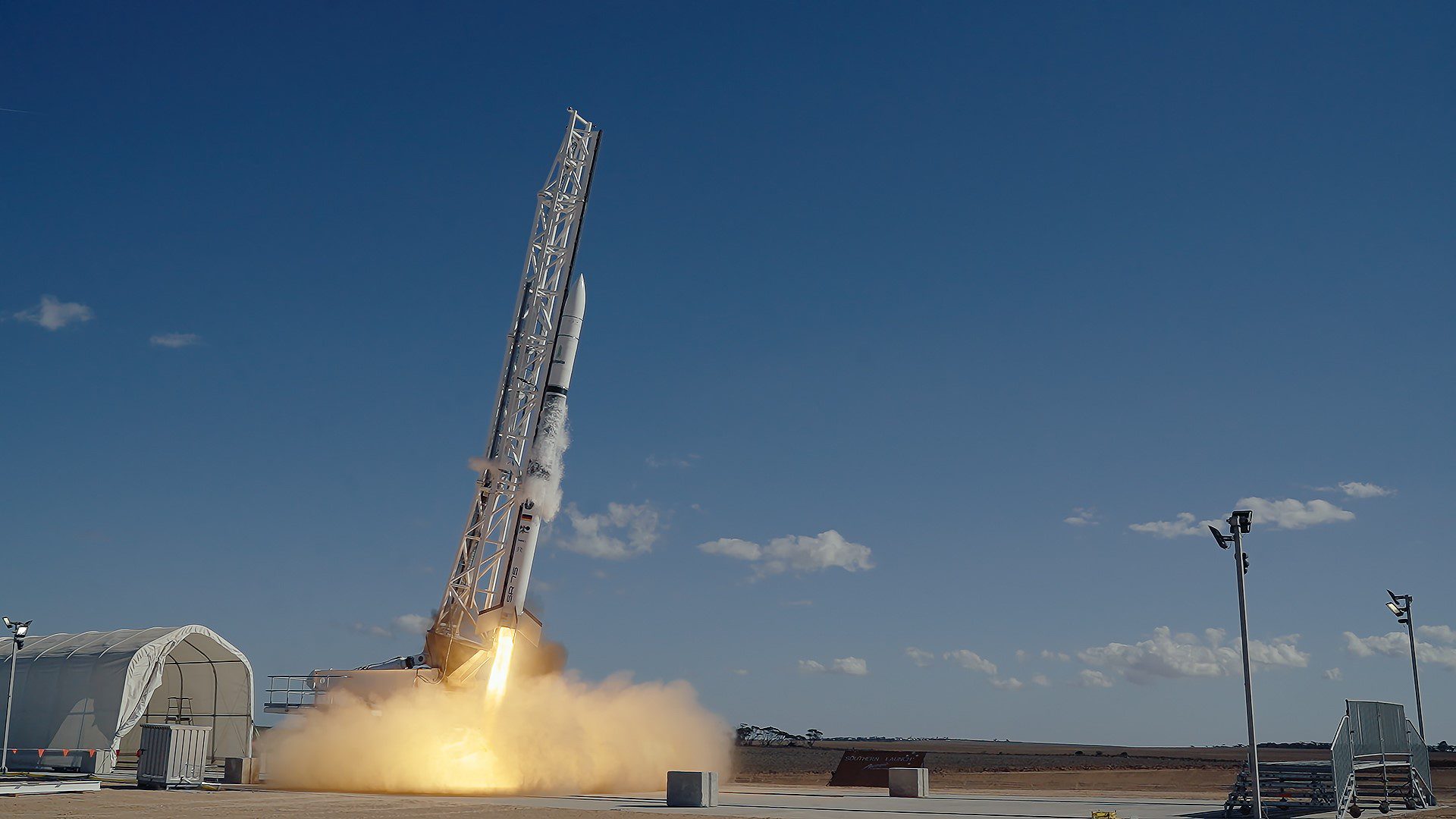
The country’s first orbital launch attempt took place from Spaceport Cornwall in January 2023 using a horizontal air-launch system. Meanwhile, RFA is preparing for the first potential vertical orbital launch from UK soil using its RFA ONE rocket, a 30-metre, two-stage launch vehicle capable of delivering payloads of up to 1,300 kg to low Earth orbit.
SaxaVord Spaceport has stated that it could ultimately support up to 60% of Europe’s orbital launches, highlighting the potential scale of future space activity in UK territory.
The new guidance has been developed by the ISEP Spaceport and Launch Environmental Working Group, led by Aurora Environmental Consulting and Mott MacDonald, working closely with the CAA.
Dr Rufus Howard, ISEP’s impact assessment policy and engagement lead, said the guidance is designed to help maintain high environmental standards as the sector evolves.
“This new space industry guidance is designed to ensure the highest environmental standards in an emerging and technologically advanced sector,” he said.
Ruth Fain, director at Aurora Environmental Consulting, said the group had drawn on lessons from the UK’s early vertical launch assessments to help establish best practice across the sector.
The guidance sets out recommended approaches for assessing environmental effects across a wide range of metrics, including biodiversity, air quality, noise and vibration, water resources, marine environments, climate impacts, land and soils, landscape and visual effects, and cultural heritage.
It also addresses the evaluation of cumulative impacts, transboundary environmental effects and the risks associated with major accidents or disasters.
According to the CAA, interest in launching from the UK continues to grow as more companies explore domestic launch opportunities.
Rosemary Whitbread, head of space regulation policy at the regulator, said environmental considerations will be central as the industry scales up.
“As activity grows, it’s vital that environmental impacts are minimised so the major benefits of space can be realised sustainably,” she said.
ISEP said the guidance is intended to support practitioners preparing AEEs before licence applications, during regulatory review, or when assessments must be updated after licences have been granted.
The organisation added that by translating regulatory requirements into practical guidance, it aims to help both industry and regulators deliver consistent, proportionate environmental assessments as the UK’s launch capability develops.