



Forecasts for the July–September Default Tariff Cap (price cap) have surged to £1,801 per year for a typical dual-fuel household, according to energy consultancy Cornwall Insight, following sharp increases in wholesale gas prices driven by escalating conflict in the Middle East. The projected figure would represent an increase of £160, or around 10%, on April’s cap announced last week.
The immediate price rise reflects the overall surge in global gas markets, with the UK’s exposure to these as a net importer of the fuel feeding through to domestic bills. Price increases are not only felt through the gas bill but also in the electricity bill, due to the UK’s reliance on gas for power price setting. While the jump is a cause for concern, the assessment period for the July price cap has only just begun. As per the methodology used by Ofgem, the final cap for July will be based on average wholesale prices over a three-month period, meaning that the key issues are how long gas prices stay elevated and how long this period of volatility remains.
The sharp rise in energy bills is likely to strengthen calls to increase the rollout of renewable generation in the UK, to shield consumers from global gas price rises in future years.
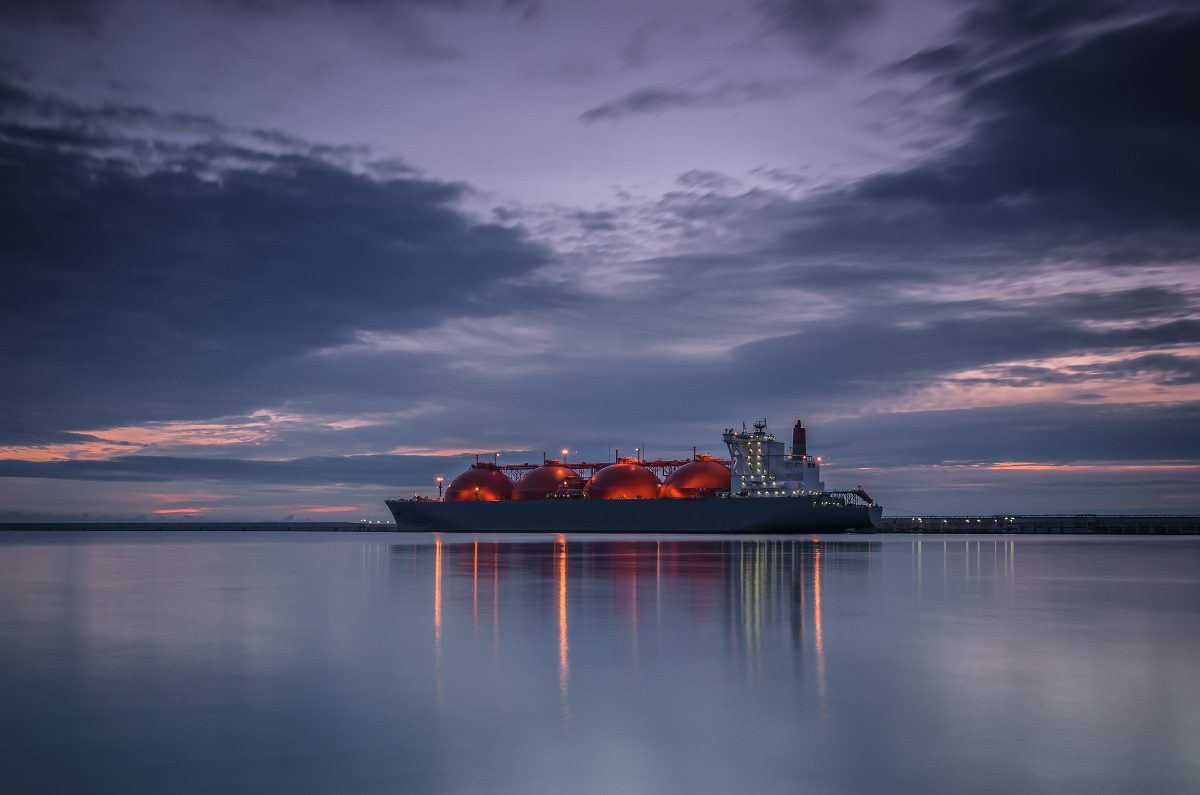
Wholesale markets have climbed amid heightened regional tensions in the Middle East. Following US and Israeli missile strikes on Iran, retaliatory attacks from Iran damaged oil and gas infrastructure across key Gulf states. QatarEnergy has been forced to pause Liquified Natural Gas (LNG) production at several sites hit during Iran’s response. Iran has additionally warned ships not to use the Strait of Hormuz, a vital shipping route for about 20% of global oil and gas, adding further pressure to global energy markets.
Although Europe and the UK do not rely heavily on Qatari LNG, reduced Qatari supply will affect major Asian importers such as Japan, South Korea, and Pakistan. As these countries seek replacement cargoes, competition in the global LNG market is expected to intensify. As a result, the UK and Europe may need to raise prices to compete for these cargoes.
While the rise is significant, the market impact – so far – remains far smaller than the shock triggered by Russia’s 2022 invasion of Ukraine. Since then, Europe has diversified gas supply routes, invested in LNG import terminals, and secured long‑term contracts, particularly with the United States. The UK now sources the majority of its LNG from the US, with only a small proportion coming from Qatar. Europe’s push to reduce demand and improve efficiency has also cut overall gas consumption and lowered exposure to international commodity markets.
EU gas storage levels, however, are currently low, following winter depletions. Prolonged supply uncertainty could make summer refilling of storage more challenging and more expensive – adding gradual price pressure heading into next winter. However, updated EU storage regulations now offer Member States greater flexibility on when the 90% fill target must be met, with up to 10 percentage points of leeway permitted, easing some immediate pressure.
Dr Craig Lowrey, Principal Consultant at Cornwall Insight, commented:
“Looking at the April cap, the role of wholesale prices as a determinant of bills had eased given the impacts of policy costs and network costs. However, this latest forecast puts the role of wholesale markets firmly back in the spotlight and illustrates how exposed UK households remain to international market movements.
“While the rise is eye‑catching, any immediate concern should be tempered. We are still early in the assessment period for the July cap, and what happens in the energy markets over the next three months will be the key factor, rather than this spike alone.
“Events like this reinforce the case for greater home-grown renewable generation. Reducing the UK’s reliance on volatile global gas markets is the most durable way to protect households from future price shocks.”
Responding to the Cornwall Insight predictions, Richard Neudegg, director of regulation at consumer price comparison website Uswitch.com, said: “This prediction is a stark reminder of why relying on the price cap leaves customers exposed to global events.
“While it’s still far too early to say with certainty what the price cap will be in July, if these predictions ring true, the majority of households could see a significant jump in household energy bills, driven by the situation in the Middle East.
“Energy markets remain sensitive to major events, especially when they involve key gas transport routes.
“These early forecasts come only days after Ofgem announced that the price cap will fall by £117 for the average household in April, so many households could feel whiplash with the potential changing direction of bills.
“This forecast is a grim reminder of the pitfalls of a price cap tariff – as it is reviewed every three months, shocks in the market are passed onto standard tariffs quickly.
“Customers currently on fixed deals are protected, as their rates are locked in for the duration of their fix, but customers on standard tariffs dictated by the price cap are subject to Ofgem’s quarterly review.
“At the moment, there are still fairly-priced fixed deals available that are below these predictions, and could be a reasonable option for households seeking stability on their energy rates. Those who switch to a fixed deal will also receive a reduction to their unit rates once the Government’s energy bill cuts take place from 1 April.
“We encourage households to run a comparison to assess their options and consider whether to lock in a fixed rate now.”