


A new United Nations University report has warned that the rapid expansion of artificial intelligence is driving growing environmental pressures through its increasing demands for electricity, water and land, with researchers calling for urgent action to ensure the technology develops within planetary limits.
The report, Environmental Cost of AI’s Energy Use: Carbon, Water and Land Footprints, published by the United Nations University Institute for Water, Environment and Health (UNU-INWEH), provides what its authors describe as the most comprehensive assessment yet of the environmental consequences associated with AI’s energy consumption. It argues that the environmental footprint of AI extends far beyond carbon emissions and includes significant impacts on water resources, land use, mineral extraction and electronic waste.
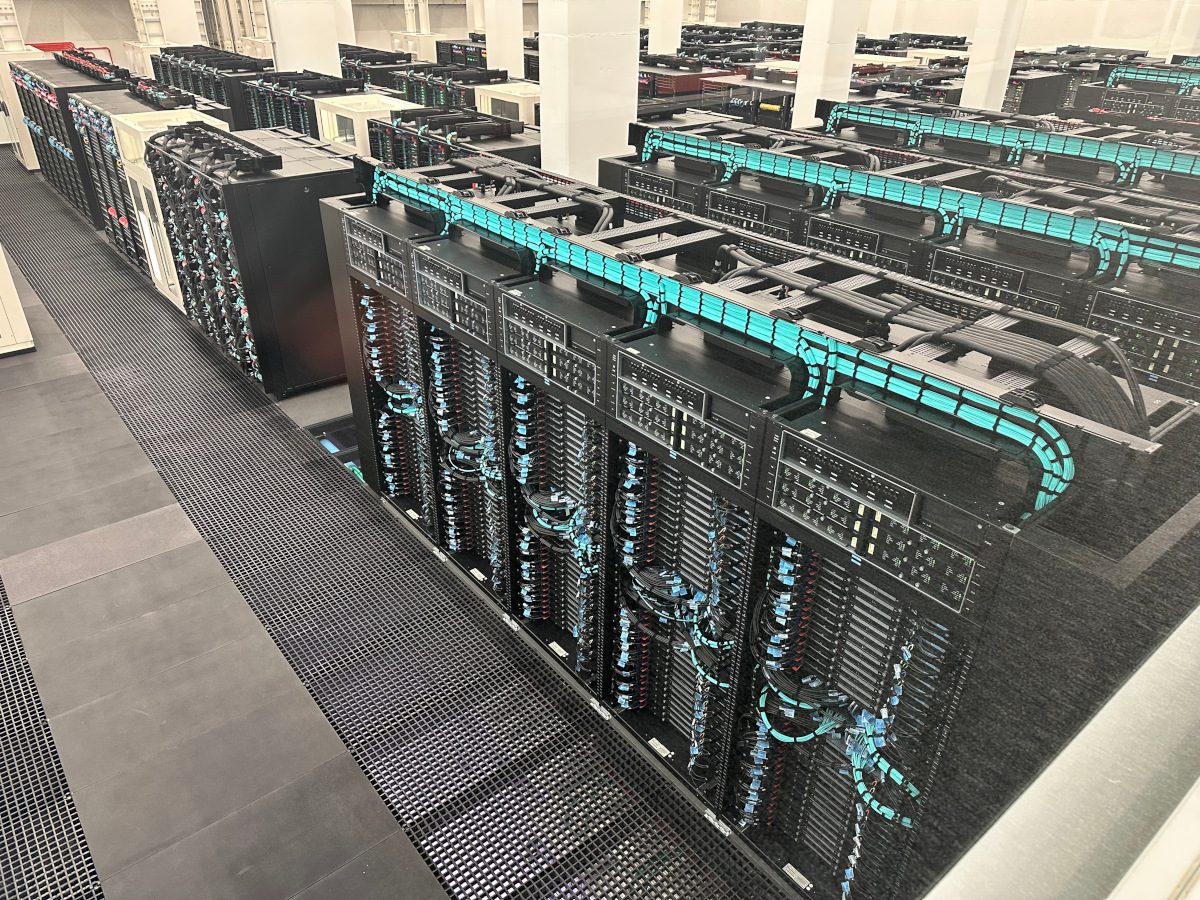
According to the report, data centres consumed an estimated 448 terawatt-hours of electricity in 2025, a level that would rank them as the world’s 11th-largest electricity consumer if they were a country. AI-related workloads accounted for about 20% of that demand, with researchers projecting AI-related electricity consumption could rise to 945 terawatt-hours by 2030—almost 3% of projected global electricity use.
The report estimates that the associated water footprint of data centres could reach 9.3 trillion litres annually by 2030, enough to meet the drinking water needs of the world’s population for approximately 1.6 years. It also projects that AI infrastructure could generate up to 2.5 million metric tonnes of electronic waste each year by the end of the decade.
“The future of artificial intelligence should not be measured only by what machines can do, but by whether humanity can deploy those capabilities within planetary boundaries. Though often described as weightless and virtual, the reality of AI is profoundly physical. Behind every prompt, image, or video lies a growing infrastructure of energy systems, water withdrawals, land use, mineral extraction, and electronic waste. This report is a call to make those hidden environmental costs visible before they become unmanageable,” said Professor Kaveh Madani, UNU-INWEH Director and lead investigator of the report.
Lead author Dr Miriam Aczel said decisions made now would determine the scale of AI’s future environmental footprint.
“The environmental footprint of AI is not fixed. It is shaped not only by infrastructure, energy sources, and model design, but also by how much AI is used, what it is used for, and where that use takes place. By making these trade-offs visible, our report aims to help governments, companies, researchers, and users make better choices before today’s rapid growth locks in tomorrow’s environmental burdens.”
The report argues that environmental impacts vary considerably depending on how electricity is generated. It notes that some lower-carbon energy sources can have significantly larger water and land footprints, highlighting the need to evaluate AI’s environmental consequences across multiple indicators rather than focusing solely on greenhouse gas emissions.
Researchers also warn of growing inequalities linked to AI infrastructure. The report notes that only 32 countries host AI-specialised cloud infrastructure and that around 90% of global AI computing capacity is concentrated in the United States and China, while many countries bear the environmental costs associated with mineral extraction and electronic waste disposal.
Professor Tshilidzi Marwala, United Nations Under-Secretary-General and Rector of the United Nations University, said AI’s benefits must be balanced against its environmental impacts.
“The promise of AI is immense, particularly in areas such as healthcare, education, scientific discovery, and climate resilience. But innovation without stewardship risks deepening inequality and intensifying pressure on already stressed planetary systems. This report reflects the United Nations’ commitment to ensuring that technological progress advances human well-being while respecting environmental limits. Sustainable innovation requires transparency, accountability, and global cooperation.”
The UN findings come as separate research by water technology company Xylem and Global Water Intelligence suggests that AI’s growing water requirements could become a major challenge for utilities and policymakers.
Their report, Watering the New Economy: Managing the Impacts of the AI Revolution, projects that water demand across the AI value chain could increase by 129% by 2050, adding around 30 trillion litres of annual water demand. The study attributes most of the increase to power generation, semiconductor manufacturing and data-centre operations.
However, the report argues that investment in wastewater reuse, leakage reduction and digital water management systems could offset much of the anticipated growth in demand.
“AI is placing new demands on water supplies, but many of the tools needed to address the challenge already exist,” said Matthew Pine, Xylem’s president and CEO. “Advanced treatment technologies, for example, allow us to recycle water rather than waste it. Digital systems can help better manage supply in real time, reducing water lost to leaks. It’s time for a water transition built on targeted investment and collaboration between industry, utilities, and governments to ensure water systems can support both growth and community resilience.”
Global Water Intelligence chief executive Christopher Gasson said the greatest future pressures were likely to emerge in semiconductor manufacturing and major data-centre hubs.
“Our projections examine water use across the full AI value chain – from chip fabrication and data center operations to indirect demand from power generation – and assess how technology choices shape future demand,” he said. “The greatest pressure points emerge in semiconductor manufacturing and in fast-growing data center hubs in the United States, East Asia, and South Asia. In these regions, expanded wastewater reuse, leakage reduction, and targeted infrastructure investment can fully offset future growth.”
The UN report concludes that responsible AI development will require greater transparency, international cooperation, lifecycle accountability and more sustainable patterns of use. It argues that decisions made by governments, technology companies, investors, infrastructure operators and users will determine whether AI’s benefits can be achieved without placing unsustainable pressures on global environmental systems.

“AI’s environmental footprint is not just an outcome of physical infrastructure; it is the cumulative result of countless daily decisions,” said Dr Mir Matin, manager of UNU-INWEH’s Geospatial, Climate and Infrastructure Analytics Programme and a co-author of the report. “Every prompt, default setting, generated image, video, and query accumulates when multiplied by billions of users and thousands of operators worldwide. Behavior change across this entire decision chain – from individual users to corporate planners – is one of the most powerful and underused levers we have for keeping AI within planetary limits.”