


A pilot project at one of Europe’s largest wastewater treatment plants will investigate whether wastewater treatment processes can effectively remove tyre and road wear particles (TRWP) from water before it is released into the environment.
The Tire Industry Project (TIP) has launched the study in partnership with the Greater Paris Sanitation Authority (SIAAP) and sustainability consultancy ERM at SIAAP’s Valenton wastewater treatment plant near Paris, France. The facility is the second largest wastewater treatment plant in Europe and is considered broadly representative of modern municipal treatment systems.
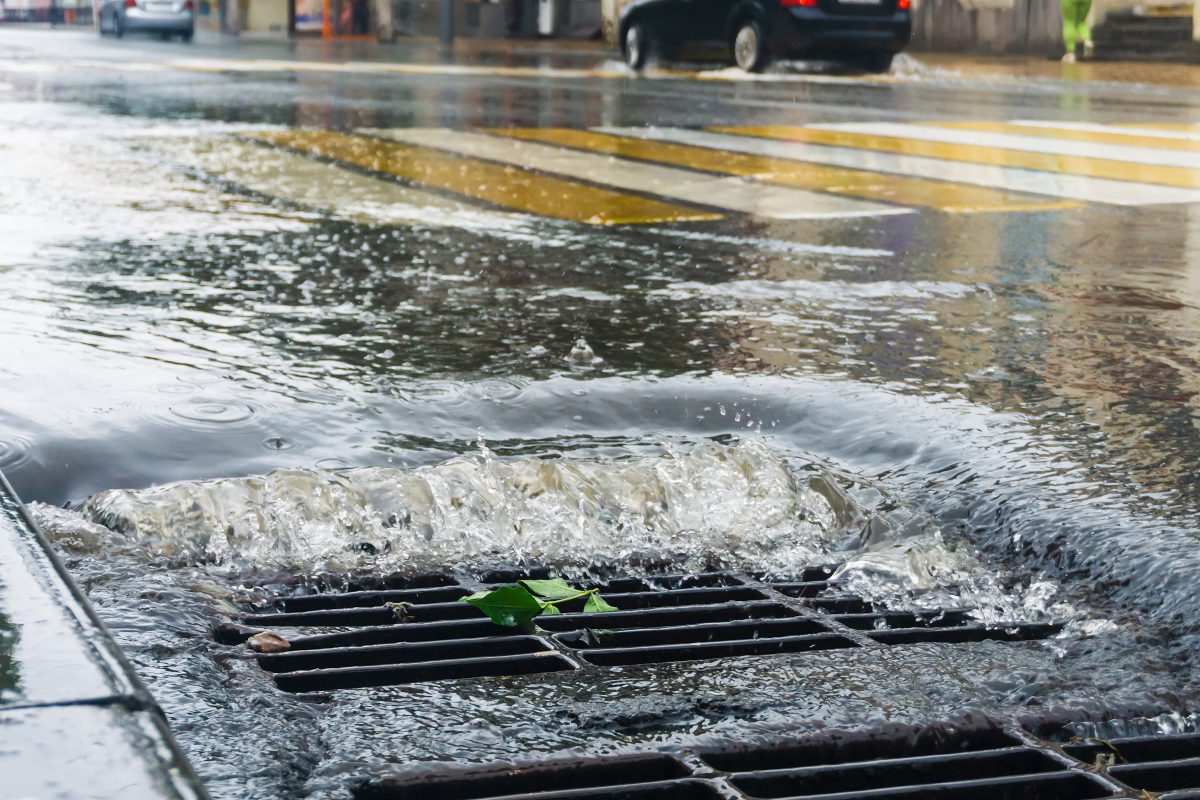
The project aims to address a significant knowledge gap around the fate of tyre and road wear particles in wastewater treatment processes. Rainwater and road runoff in many urban areas are collected and treated before being discharged into rivers and other waterways, but there is currently limited evidence quantifying how effectively treatment systems remove TRWP.
Researchers will analyse samples collected at key stages of the treatment process throughout 2026 using advanced laboratory techniques, including pyrolysis gas chromatography-mass spectrometry (PY-GC/MS). The study will estimate how much TRWP is removed across the full treatment cycle.
According to TIP, the project represents the first real-world assessment of one of nine priority mitigation measures identified in its 2024 white paper, Commitment to Addressing Tire and Road Wear Particles. The paper reviewed more than 50 potential mitigation measures and prioritised nine approaches based on their potential to reduce TRWP through prevention, containment and removal.
The organisation said that while a range of potential mitigation measures have been identified in scientific literature, none has yet been proven effective specifically for TRWP under real-world conditions.
Results from the study are expected to be submitted to a scientific journal for peer review, with publication anticipated in early 2027.
Larisa Kryachkova, Executive Director at TIP, said: “This pilot is an important step in going beyond understanding the subject in the laboratory to field-based evidence. We expect to identify best practices that can be applied far beyond this project, supporting TIP’s ambition to support science-based mitigation.”
TRWP is an emerging area of environmental research, with scientists continuing to investigate how particles generated through tyre and road surface wear move through different environmental pathways and what impacts they may have.
TIP said its member companies are supporting research into the quantification, characterisation, environmental migration and potential impacts of TRWP, alongside efforts to develop science-based mitigation approaches and support standardisation initiatives.
Sabrina Guérin, Head of Innovation department at SIAAP, said: “As the public authority responsible for wastewater treatment in the Paris region, SIAAP is committed to emerging science that protects waterways. By taking part in this TIP study, we will gain an early, science-based view of TRWP movement in solid waste. The findings can help inform and accompany future treatment planning and readiness for upcoming regulatory requirements.”
The project brings together industry, public-sector and technical partners to evaluate whether wastewater treatment could form part of a wider strategy to reduce the release of tyre and road wear particles into the environment.