



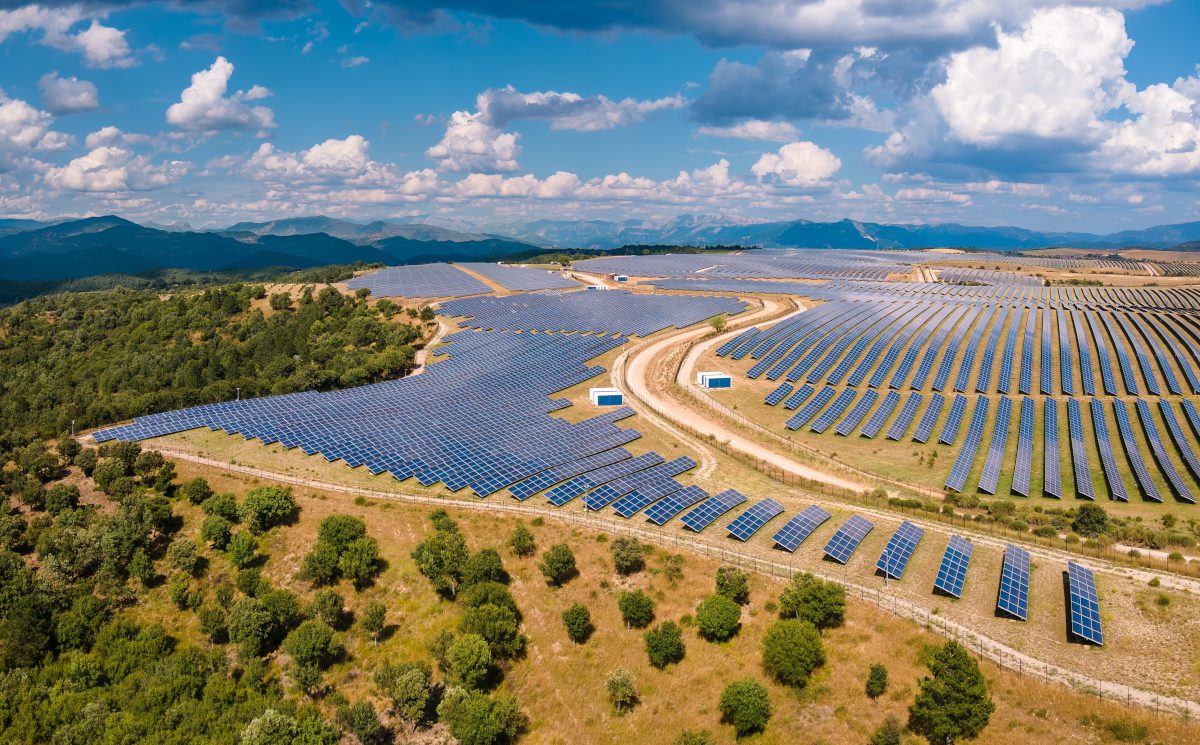
Solar power supplied a quarter of the European Union’s electricity in June for the first time ever, overtaking nuclear (21%), gas (15%), wind (14%)hydro (12%), and coal (8%).
Analysis published by energy think tank Ember reports that solar generated a record 52 TWh of electricity across the EU in June 2026, accounting for 25% of the bloc’s monthly power production. The figure surpassed the previous record of 47 TWh, equivalent to 23% of generation, set only a month earlier in May.
June marked only the third month in which solar has been the EU’s largest source of electricity, following June 2025 and May 2026.
The milestone comes amid a reported pick-up in the rate of solar deployment across Europe in recent years. In June 2021, solar accounted for only 10% of EU electricity generation, producing 21 TWh during the month. Between 2021 and 2025, it grew by more than 20% annually, making it the fastest-growing source of electricity in the bloc.
The EU added 65.1 GW of solar capacity during 2025 alone, taking installed capacity beyond 400 GW and comfortably exceeding the European Commission’s interim target for the middle of the decade.
Chris Rosslowe, senior energy analyst at Ember, said: “Solar’s rise has been truly stratospheric, beating prediction after prediction. In just a few years solar has gone from a small player to an essential part of Europe’s power system, as governments and citizens look for low-cost, quick-to-install domestic power sources.”
The record generation coincided with one of the hottest starts to summer ever recorded in Europe. According to Ember, elevated temperatures increased electricity demand for cooling, while solar generation helped maintain supplies during conditions that reduced output from some other technologies.
June 2026 was officially the hottest June ever recorded in western Europe, according to the EU’s Copernicus climate service, with temperatures more than 3°C above the recent average in some regions. The heatwave placed electricity systems under pressure as air-conditioning use surged and some thermal power stations faced operational constraints associated with high temperatures and warmer cooling water.
Solar’s advance is increasingly evident at national level. Ember said 18 EU member states have set new monthly records for the share of electricity generated from solar so far in 2026. Spain generated 34% of its electricity from solar during June, while Germany reached 36% after first surpassing one-third of generation in May. Poland, despite remaining heavily dependent on coal, sourced 24% of its electricity from solar during the month after adding more than 20 GW of capacity since 2020.
The figures provide a standout data point amidst a general reshaping of Europe’s electricity mix. Ember’s annual review of the power sector found that wind and solar together overtook fossil fuels for the first time in 2025, supplying 30% of EU electricity compared with 29% from coal and gas combined. Coal’s contribution fell to a record low of just over 9%.
Energy analysts caution, however, that maintaining momentum will require continued investment in electricity grids, battery storage and system flexibility technologies capable of absorbing large volumes of midday solar output and shifting it into evening demand peaks. Some industry forecasts suggest the pace of new solar installations may begin to slow after more than a decade of uninterrupted expansion, raising questions over whether current deployment rates will be sufficient to meet the EU’s 2030 ambitions.