



European waste management organisations and local authorities have warned that major gaps remain in the infrastructure and funding needed to support the separate collection of hazardous household waste across the EU, more than a year after new legal obligations came into force.
The warning comes in a joint declaration issued by the Association of Cities and Regions for Sustainable Resource Management (ACR+), the European Waste Management Association (FEAD) and Hazardous Waste Europe (HWE), which are calling for stronger investment, coordination and operational support for the management of household hazardous waste (HHW).
The organisations said implementation challenges are emerging following the introduction of mandatory separate collection requirements under the revised EU Waste Framework Directive in January 2025.
Although household hazardous waste accounts for only around 1% of municipal waste by volume, the declaration notes that it can pose disproportionately high risks to human health, the environment and recycling systems if it is not collected and treated properly.
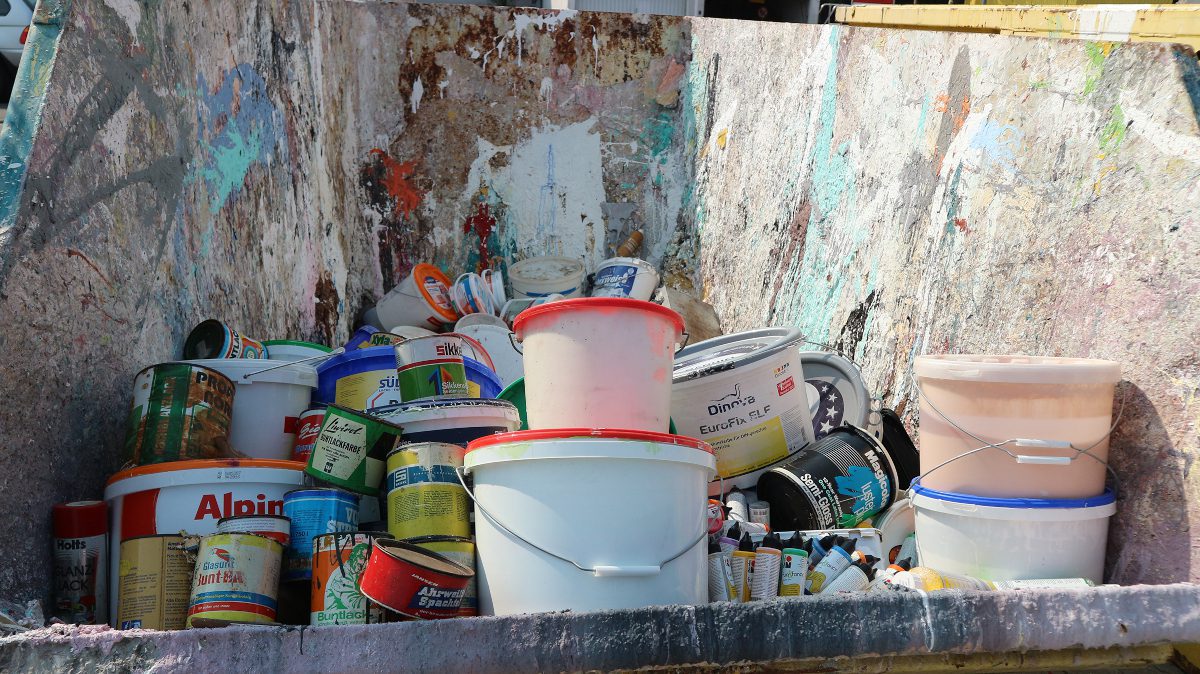
Waste streams classified as HHW can include batteries, paints, chemicals, solvents, cleaning products, aerosols and small electronic items, all of which can contaminate recycling streams or create safety risks if mixed with general waste.
The three organisations have partnered under the Hazards Out! initiative, which aims to raise awareness, share best practice and support the development of collection and treatment systems for hazardous household waste across Europe.
“Household hazardous waste is highly complex and costly to manage. More than a year after the separate collection obligation came into force, it is still necessary to ensure that waste operators and municipalities have the right operational and financial framework and infrastructure to handle this waste safely and efficiently,” declared Paolo Campanella, Secretary General of FEAD.
“This declaration is a call for the recognition of HHW as a priority waste stream requiring dedicated attention and resources”, he added.
The declaration argues that municipalities and waste operators continue to face practical and financial barriers to implementing effective collection systems, despite the legal requirements now in force.
The initiative has also received support from the European Electronics Recyclers Association (EERA) and the International Solid Waste Association (ISWA), reflecting growing concern across the waste and recycling sector about the impact of hazardous materials on recycling performance and environmental protection.
The organisations behind the declaration are calling for stronger cooperation between EU institutions, national governments, municipalities and waste operators to ensure that hazardous household waste collection systems are adequately funded and integrated into wider circular economy strategies.
Further details and the full declaration are available through the Hazards Out! initiative.