


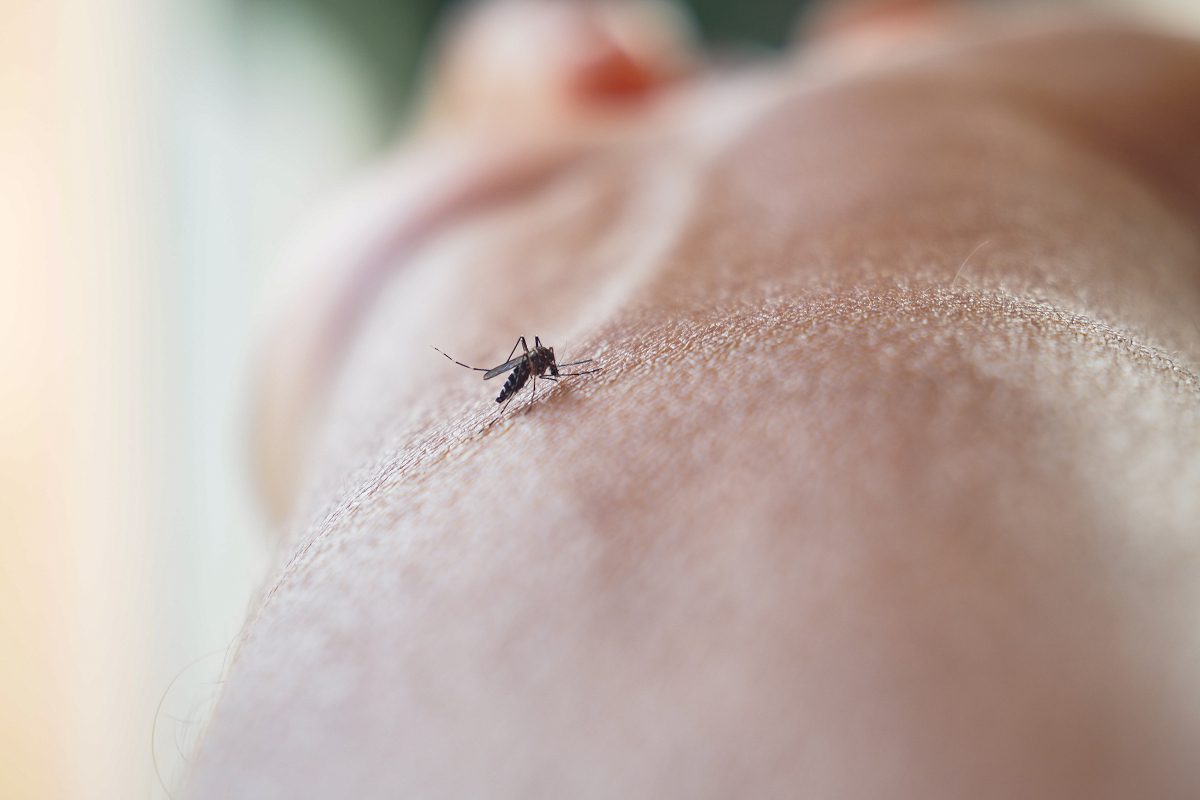
Google’s mosquito-control initiative Debug is seeking US regulatory approval to release millions of Wolbachia-infected mosquitoes in California and Florida.
The group unveiled details of the project alongside an announcement that it is expanding its research and production operations in Singapore to accelerate deployment of AI-driven mosquito suppression technologies.
According to a notice published by the US Environmental Protection Agency (EPA), the agency is reviewing an application from Google LLC for an Experimental Use Permit (EUP) involving the release of live adult Culex quinquefasciatus male mosquitoes carrying the bacterium Wolbachia pipientis wAlbB.
The EPA notice states that Google is seeking approval for the release of up to 16 million mosquitoes per year, with a total of up to 32 million mosquitoes in each state over a two-year period in California and Florida. The proposed testing is intended to generate data to support a future Section 3 product registration application under the Federal Insecticide, Fungicide, and Rodenticide Act (FIFRA).
The US environmental regulator described the permit application as potentially being of “regional and national significance” and invited public comments through 5 June 2026.
The regulatory filing comes days before Debug announced a major expansion of its operations in Singapore, where the company has established its first international research and development hub and its largest adult mosquito production facility.
In a statement issued on 12 May, Google’s Debug said the investment would expand its capabilities in software engineering, robotics, artificial intelligence and mosquito science to support mosquito-borne disease control programmes across Asia-Pacific and other regions.
“For over a decade, Debug has developed end-to-end technologies to help protect the 4 billion people worldwide at risk of dengue by integrating custom software, hardware automation, scientific innovation, and AI in its mosquito suppression programme,” the company said.
The programme relies on Wolbachia, a naturally occurring bacterium that can interfere with mosquito reproduction and disease transmission. According to Debug, more than one billion male mosquitoes have been released globally since the initiative began, across programmes in Singapore, Italy, Australia and the US.
The Singapore expansion is intended to increase production efficiency through a combination of automated larval rearing systems, AI-powered mosquito sex-sorting technology and software-enabled release vehicles.
Debug said the facility will also support research into mosquito population replacement strategies, in which Wolbachia is passed to future generations, gradually replacing disease-carrying mosquito populations with mosquitoes less capable of transmitting pathogens.
“When we first launched Debug in Singapore, our goal was to advance mosquito production and releases through technology and bring Debug to more communities in Asia, where 70% of the global dengue burden occurs,” said Linus Upson, Head of Debug.
“Our success in Singapore gives us the confidence to expand. Choosing Singapore as our first international R&D hub underscores our confidence in the nation’s deep-tech ecosystem, talents, and its leadership in deploying the Wolbachia method. This new chapter is about accelerating Asian-tailored solutions and scaling our experience to make Debug’s end-to-end technology accessible globally,”
Ben King, Managing Director of Google Singapore, said the project demonstrated how technology and public health objectives could be combined.
“This expansion of Google’s Debug in Singapore is a demonstration of how our technology, talent and leadership can come together to create impactful health outcomes for the community. This is a blueprint that reinforces Singapore’s standing as a global lighthouse for health tech. We’re proud of the impact that we’ve made in the country, and we look forward to scaling our learnings and solutions to impact more people across Asia Pacific and around the world,” he said.
Debug’s Singapore programme has operated in partnership with the National Environment Agency since 2018. The company said more than 10 million male Wolbachia-carrying mosquitoes are currently released each week in Singapore, and cited government data indicating 80-90% suppression of Aedes aegypti populations and more than 70% reductions in dengue incidence in treated areas after sustained releases.
While the Singapore programme focuses primarily on dengue-carrying Aedes aegypti mosquitoes, the EPA application concerns Culex quinquefasciatus, a different mosquito species commonly found in parts of the United States.
The EPA has not yet announced a decision on Google’s permit application.