



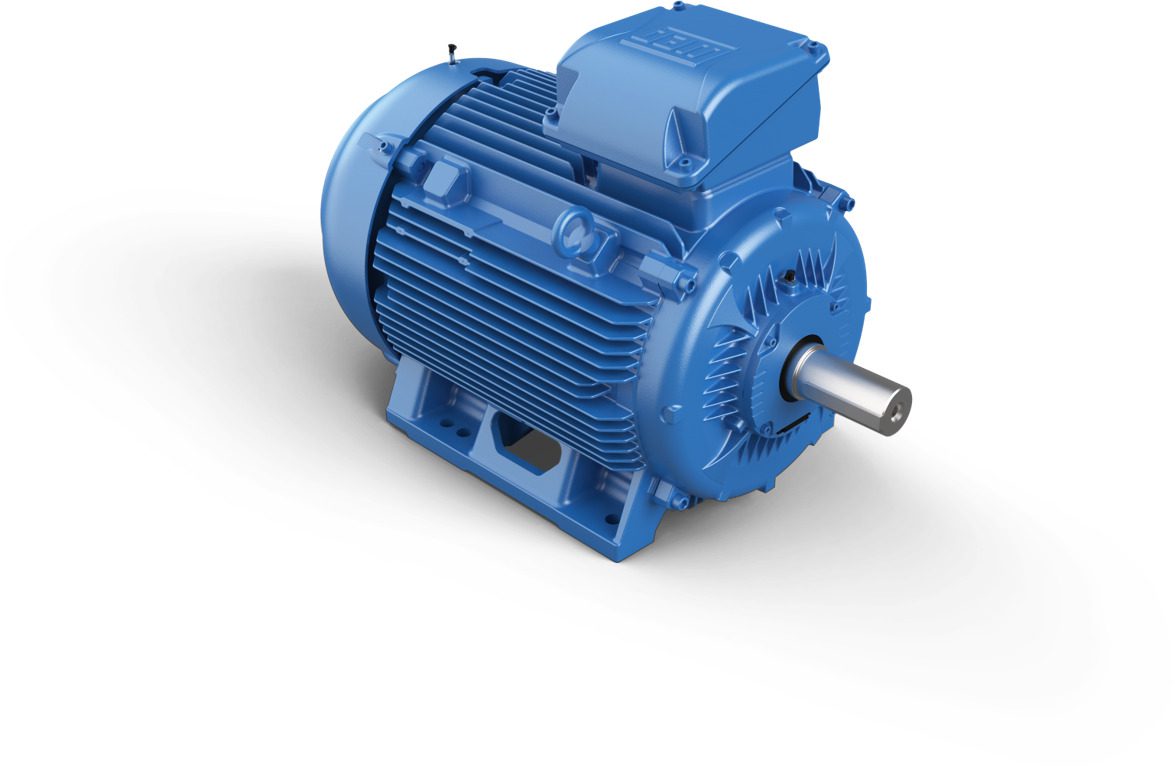
The International Electrotechnical Commission (IEC) has formally incorporated the IE5 efficiency class into its principal international standard for line-operated AC motors, establishing defined efficiency limits for a growing generation of ultra-high-efficiency equipment.
IEC 60034-30-1:2025 replaces the 2014 edition of the standard and introduces new tables specifying nominal IE5 efficiency limits. The revised framework covers single-speed motors from 0.12 kW to 1,000 kW and is intended to make it easier for manufacturers, engineers and end users to compare the efficiency of motors across different technologies and applications.
Although IE5 motors and the IE5 designation have existed for some years, their incorporation into IEC 60034-30-1 represents a further step towards standardising the highest efficiency tier for motors used in industrial applications.
Electric motors account for a substantial share of energy use in applications such as pumps, fans, compressors and conveyors, many of which operate continuously. Improvements in motor efficiency can therefore translate into significant reductions in energy losses and lifecycle operating costs, particularly where equipment runs for long periods.
Motor manufacturer WEG said the revised standard should provide clearer guidance for future motor development and specification.
“As industrial energy demands continue to grow, the updated IE5 standard provides clearer direction for future motor development,” said Marcio Yoshikazu Ematsu, European marketing manager at WEG. “By combining improved efficiency benchmarks with practical guidance on implementation, the IEC 60034-30-1 standard supports industry in reducing energy consumption while maintaining performance, reliability and operational flexibility.”
WEG already supplies motors capable of meeting or exceeding IE5 efficiency levels, including products in its W22 and W23 ranges. The company said users considering higher-efficiency motors should also take account of factors including duty cycle, starting requirements, installation constraints and compatibility with existing systems.
The distinction is important because the highest efficiency class will not necessarily provide the optimum solution in every installation. The energy savings available depend on factors including operating hours, load profile and the efficiency of the motor being replaced.
The revised IEC classification nevertheless gives specifiers a more consistent basis for comparing higher-efficiency motors internationally and assessing their potential contribution to reducing industrial energy use.