



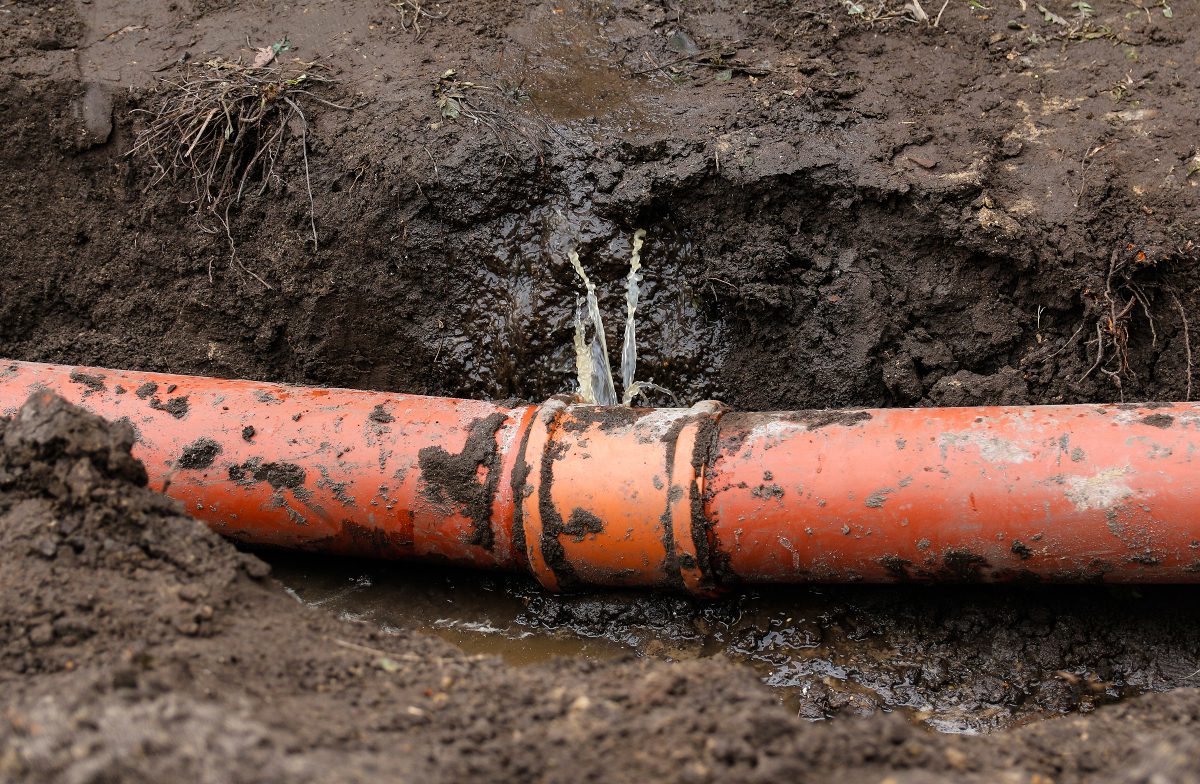
Southern Water is to trial technology that turns Openreach’s fibre-optic telecoms network into a distributed sensor for detecting leaks in nearby water mains.
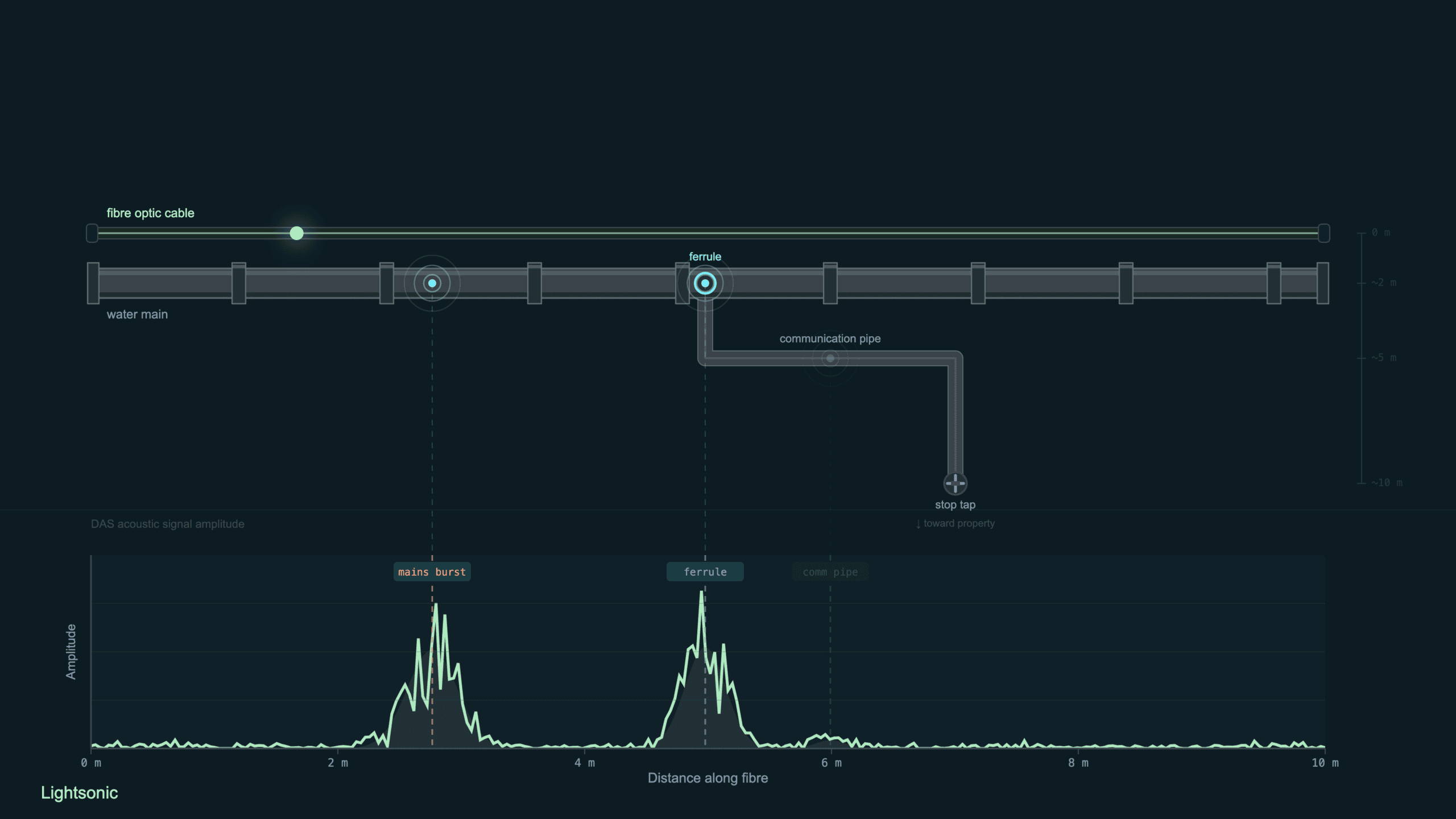
The water company is working with UK technology firm Lightsonic, whose system uses Distributed Acoustic Sensing (DAS) to detect vibrations in existing fibre-optic cables caused by leaks or other disturbances in surrounding infrastructure.
Machine-learning software is used to distinguish the acoustic signature of a potential leak from background noise such as traffic and roadworks, allowing engineers to identify areas requiring investigation without installing a separate network of sensors.
The technology has already been trialled with Affinity Water and Openreach at five locations, covering around 650km of water network. Openreach said in March that the system had identified more than 100 leaks in its first trial areas, helping to prevent the loss of around two million litres of water per day.1 Lightsonic now says deployments using the technology are saving more than four million litres per day across the UK.
Southern Water said the results of the earlier work had influenced its decision to trial the system on its own network.
“We’ve reduced leakage across our network for three consecutive years and continue to invest in innovative techniques and technologies to find and fix leaks even more effectively,” said Wayne Novelli, Leakage and Network Strategy Manager at Southern Water.
“We’ve been impressed by the leakage reduction metrics and proven success of Lightsonic’s technology and are looking forward to working with the team as we head into winter – when colder conditions can result in more leaks – to trial a new way of detecting and tackling them.”
The deployment comes during continuing pressure on water resources in England. In August, the National Drought Group reported that 71.3% of England was in drought, following the driest July for England since records began in 1836. More recent Environment Agency figures show ten areas remaining in drought, with reservoir storage at 56.9% nationally in early September and temporary use bans affecting around 30 million people.2
Southern Water remained at drought level 1 in its Hampshire and Isle of Wight water-resource zones in the Environment Agency’s latest published assessment, with temporary use bans still in force in those areas.
Leakage is also subject to increasingly stringent regulatory targets. Ofwat has set targets intended to deliver a further 17% reduction across the water sector between 2025 and 2030, equivalent to 457.3 million litres per day compared with the 2024-25 baseline. More than £700 million in allowances has been approved for measures including pressure management, leak repairs and replacement of water mains.3
Lightsonic CEO Tommy Langnes said using existing fibre infrastructure could allow leak monitoring to be scaled without utilities having to construct separate sensor networks.
Trevor Linney, Director of Network Technology at Openreach, said the earlier trials demonstrated that the company’s fibre infrastructure could have applications beyond broadband.
“Combining Lightsonic’s technology with the reach of Openreach’s Full Fibre network makes continuous utility monitoring genuinely scalable, without the cost and disruption of building a separate sensor network,” he said.
Notes
[1] Openreach, Pioneering fibre-optic leak detection system saves 2 million litres of water a day, March 2026.
[2] Environment Agency, Dry weather and drought in England: 4 to 10 September 2026, updated 18 September 2026; Environment Agency et al., More areas in England declared in drought after record dry July, 10 August 2026.
[3] Ofwat, Leakage. Ofwat says its 2025–30 targets amount to a 457.3 Ml/day reduction, or 17% from the 2024–25 baseline.