


Prime Minister Andy Burnham has used his first Labour Party conference speech as Prime Minister to announce a new publicly owned electricity network company, alongside plans to accelerate grid connections and reduce the UK’s comparatively high energy costs.
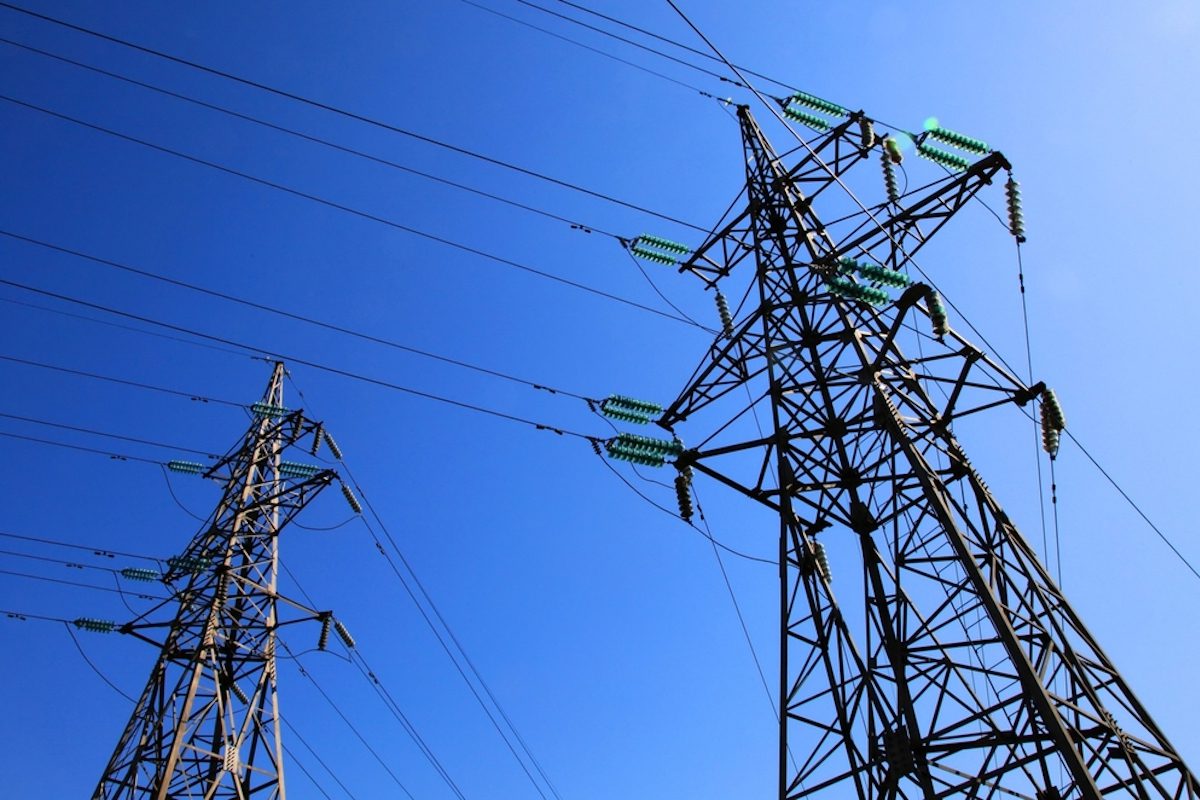
Great British Grid (GB Grid) will be established as a new arm of Great British Energy and will invest alongside the private sector in electricity network infrastructure. Burnham said the company would challenge existing private-sector operators, with the aim of increasing competition, lowering costs and enabling businesses to connect to the grid more quickly.1
The announcement formed the principal energy and environmental technology component of a wide-ranging conference speech in which Burnham pledged to bring energy, water and housing under greater public control.
“One of the biggest barriers to growth in the UK is the cost of energy,” he told delegates, setting an ambition to bring UK energy costs into line with neighbouring European countries within ten years.
Burnham also said the Government was pursuing a “massive expansion” of domestic renewable and nuclear generation and had asked Energy Secretary Miatta Fahnbulleh to accelerate work to weaken the link between electricity prices and international gas prices.
But grid capacity and connection delays received particular attention. Burnham said businesses were regularly telling him that projects were being held back because they could not secure a connection.
The Government said GB Grid would invest public capital alongside private investment and existing network operators, rather than replacing the present network companies, Ofgem or the National Energy System Operator (NESO). Initial start-up costs will come from Great British Energy’s existing budget, with longer-term funding to be considered at a future spending review.2
The announcement comes as the electricity network faces substantial expansion to accommodate greater electrification and renewable generation. The Government said reforms to the connections queue have already removed more than 300GW of speculative capacity, but acknowledged that further investment will be required as demand from homes and industry increases.
Alongside GB Grid, ministers intend to expand the circumstances in which developers and businesses can build their own grid connections rather than wait for network companies. The Government cited similar reforms in Ireland, which it said had cut connection times by up to 11 months. Competitive tendering for transmission projects will also be accelerated, opening projects to a wider range of organisations, including GB Grid.
The measures have been broadly welcomed by representatives of the renewables and electrical manufacturing sectors, although questions remain over the new body’s remit.
Solar Energy UK said waiting times for solar farms and commercial installations can still extend well into the 2030s. Chief executive Chris Hewett welcomed action on network delays but said the “real test is results”, while the trade body sought clarification over whether GB Grid’s investment would be confined to high-voltage transmission or extend to distribution networks, where most solar projects connect.
BEAMA chief executive Yselkla Farmer similarly welcomed the proposed investment but argued that network investment was required “top to bottom”, from transmission through to distribution. She also stressed the importance of providing manufacturers with visibility of forthcoming investment, allowing the supply chain to make earlier decisions on equipment and recruitment.
The wider policy package may also create opportunities for technologies intended to reduce pressure on electricity networks. Christophe Williams, CEO of British solar thermal company Naked Energy, welcomed faster grid connections but argued that electrification should not be treated as the sole route to decarbonisation.
“Heat is the part of that demand we can take off the grid,” he said, pointing to technologies such as onsite solar thermal working alongside heat pumps to reduce electricity requirements.
The scale of the network challenge is substantial. Ofgem estimates that transmission owners could need to spend around £70 billion on grid upgrades between 2025 and 2031. Connection reform has already removed more than 300GW from the queue, but lengthy waits remain for both generation and demand projects.3
Burnham also promised what he described as the UK’s first national energy plan and a stronger role for mayors and local leaders in energy policy. He presented renewables, nuclear generation and network investment as elements of a wider effort to reduce exposure to international fossil-fuel prices while supporting industrial growth.
The speech was less specific about the Government’s approach to North Sea oil and gas. Burnham said it would take a “pragmatic” approach to the North Sea while building what he termed a “bridge to a clean energy future” and addressing climate change.
Notes
[1] Labour Party, “Andy Burnham’s speech to Labour Party Conference 2026”, 29 September 2026.
[2] Department for Energy Security and Net Zero and Great British Energy, “Great British Grid to speed up connections and cut bills”, 29 September 2026.
[3] pv magazine, “Publicly owned company GB Grid announced in UK connections policy overhaul”, 29 September 2026.