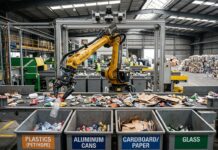



Valuable recyclable materials are being lost to incineration and landfill because mixed household waste is too readily treated as genuinely residual waste, according to a new white paper from sorting technology specialist TOMRA.
The report, An overlooked opportunity: Recovering valuable resources from municipal waste through mixed waste sorting, argues that even well-established separate collection systems leave substantial quantities of recyclable plastics and other materials in general household waste.
It calls for greater use of mixed waste sorting to recover these resources before final treatment, complementing separate collection rather than necessarily replacing it.
A central distinction is between mixed waste, which still contains potentially recoverable materials, and actual residual waste, the fraction remaining after viable recovery opportunities have been exhausted.
Citing a 2020 study by the German Environment Agency, TOMRA notes that up to 67% of mixed municipal waste can consist of recyclable materials, including plastics, paper, metals, glass and biowaste. However, the proportion that can actually be recovered and recycled depends on waste composition, contamination, available technology and downstream markets.
A second opportunity for recovery
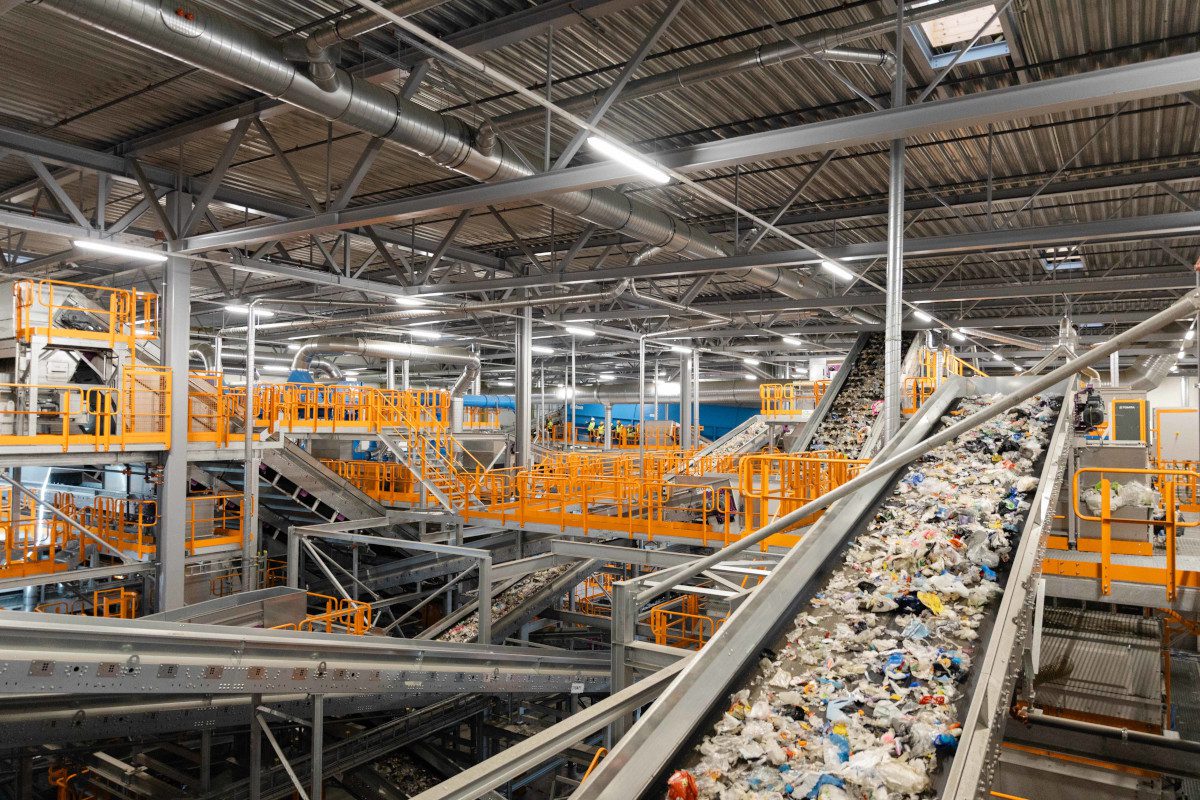
Mixed waste sorting facilities use mechanical separation and technologies such as near-infrared optical sorting to identify and recover recyclable fractions from general household waste.
TOMRA identifies two principal approaches. In municipalities with established separate collection, mixed waste sorting can recover materials incorrectly discarded in general waste bins. Elsewhere, it can serve as the main recovery route for selected materials, particularly where separation collection is difficult to implement consistently.
The company says it has supplied equipment to more than 300 mixed waste sorting projects across Europe and in countries including China, India, Brazil and the United States.
The report also highlights opportunities to upgrade existing mechanical biological treatment (MBT) facilities, potentially increasing material recovery without requiring entirely new infrastructure.
From sorting to recycling
Recovering plastics from mixed waste is only the first stage. To become useful secondary raw materials, they must be separated into defined polymer and quality grades and processed to meet the requirements of downstream recyclers.
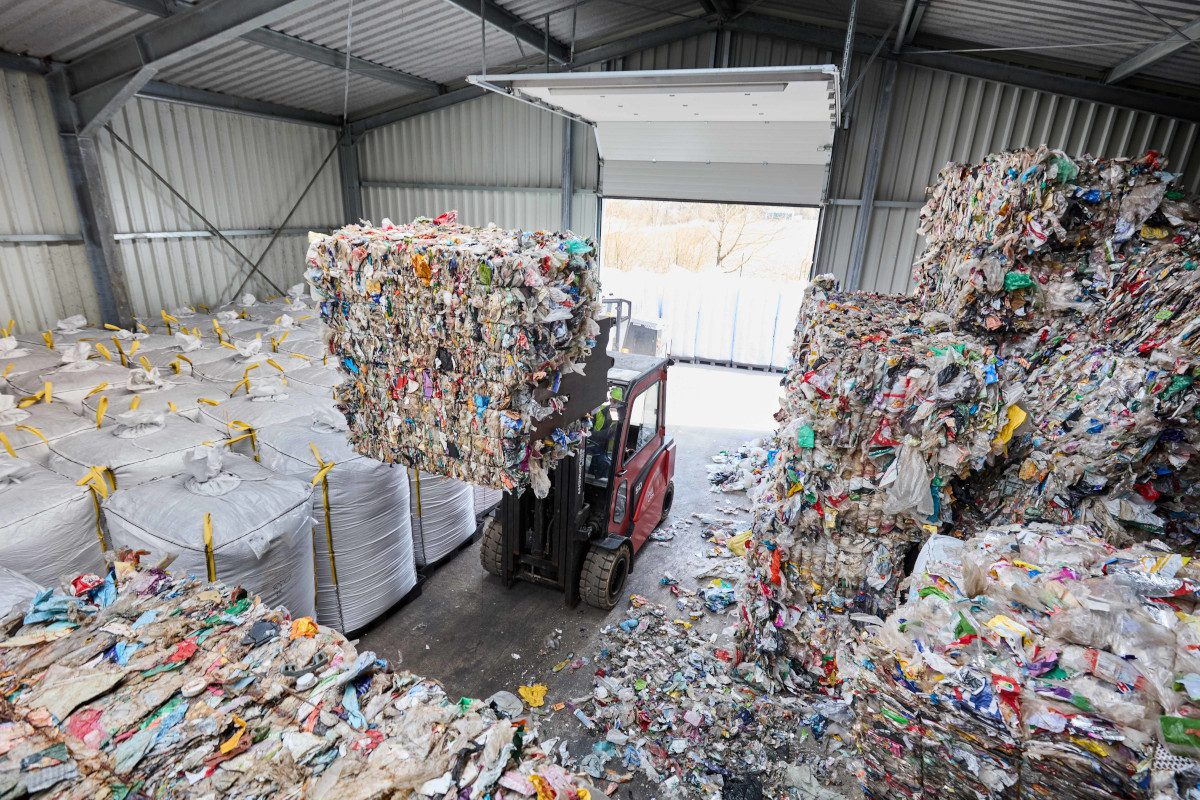
TOMRA highlights the growing role of centralised grading facilities, which receive recovered plastics from multiple sorting plants and separate them into more consistent material streams.
Sweden’s Site Zero facility has capacity to process up to 200,000 tonnes of plastic packaging annually, while Norway’s Områ facility can sort up to 90,000 tonnes into eight to ten defined plastic fractions.
Consolidating material at regional facilities can justify investment in more sophisticated sorting equipment, enable recovery of smaller polymer fractions and provide recyclers with more reliable feedstock supplies.
The report distinguishes between the quantity of recyclable material recovered and the quality of the resulting recyclate. It argues that advanced mechanical recycling, incorporating improved washing, decontamination, sorting and extrusion, can expand the applications available for recovered plastics.
Chemical recycling may provide an additional route for selected fractions unsuitable for mechanical recycling, although TOMRA emphasises that plastic-to-plastic processes should be distinguished from those producing fuels.
Implications for incineration
The report also considers how recovering recyclable materials before incineration could reduce emissions from energy-from-waste facilities.
Removing fossil-derived plastics before incineration can reduce the fossil carbon content of the remaining waste, potentially complementing efforts to capture emissions from waste treatment facilities.
TOMRA cites an analysis by Norwegian consultancy Mepex of waste management options in Oslo, which found that recovering plastics before incineration and applying carbon capture to the remaining waste could achieve 40% greater greenhouse-gas emission reductions at less than half the cost of relying on carbon capture alone.
These findings are specific to the scenarios modelled, but suggest that pre-incineration sorting could form part of wider strategies for reducing emissions from residual waste treatment.
Making recovery viable
The white paper stresses that sorting technology alone cannot deliver higher recycling rates. Investment also depends on producer responsibility arrangements, adequate processing infrastructure and reliable markets for recovered materials.
It points to Norway, where producer responsibility funding has helped support the recovery of plastics from mixed waste, and Spain, where payments for recovered fractions have contributed to the development of sorting infrastructure.
For the UK, the findings raise questions about the potential role of mixed waste sorting alongside separate collection reforms, extended producer responsibility and existing energy-from-waste capacity.
The underlying challenge is not simply to capture more material, but to ensure that what is recovered can be converted into recyclate capable of replacing virgin resources.
TOMRA’s central argument is that general household waste should not automatically be regarded as material destined for disposal. With suitable recovery and recycling infrastructure, a proportion of what currently enters the residual waste stream could instead be returned to productive use.