


Aviation facilities are facing increasing pressure to prevent fuel-contaminated runoff and firefighting foam discharges from entering stormwater and wastewater systems. US firm NWPX Park is supplying two systems designed to help heliports, hangars and airfields manage these environmental.
The HeliCepter® Fuel-Water Separator System and FoamTrooper™ Fire Fighting Foam Containment System are designed to control fuel-laden runoff and foam-contaminated wastewater during routine operations and emergency incidents.
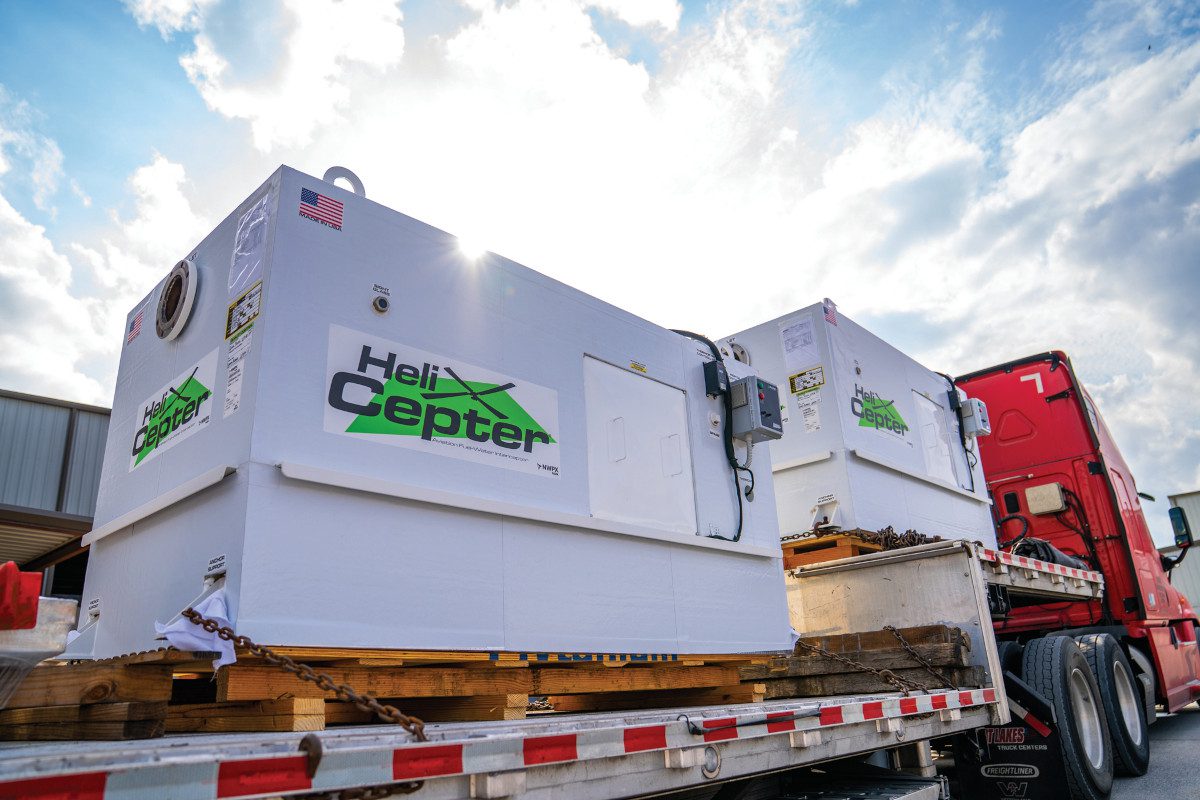
The HeliCepter® Fuel-Water Separator System is intended for heliports and landing areas where stormwater runoff may contain fuel, oil and fire suppression foam. According to the company, the system isolates and stores hydrocarbons and AFFF from drainage systems, helping prevent contaminants from entering stormwater infrastructure.
As runoff enters the unit, fuel rises to the surface while coalescing media separates remaining droplets and fine solids. A fuel-stop valve provides spill protection, while a tank-mounted interface sensor alerts operators when the system reaches capacity.
Suitable for rooftop or below-helipad installation, the system connects directly to building drainage systems and includes remote alarm monitoring. It complies with UPC, IPC and NFPA requirements and is available in configurations ranging from 100 to 2,000 gallons for applications including hospitals, military operations, offshore platforms and urban heliports.
The FoamTrooper™ Fire Fighting Foam Containment System is designed to manage AFFF wastewater generated during fire events, testing or accidental discharge. When activated by a facility’s fire alarm system, wastewater and foam are diverted to a dedicated containment tank through a three-way valve to prevent AFFF entering public sewer systems.
Under normal operating conditions, wastewater flows to an oil-water separator for treatment. During foam release events, the system automatically switches to containment mode until the wastewater can be removed and managed appropriately.
Available in precast concrete, fiberglass and stainless steel models with capacities of up to 50,000 gallons, the system can be configured with single or multiple tanks. It is compatible with oil-water separators and a range of pump styles, and includes automated controls for level and temperature monitoring.
Together, the two systems provide aviation operators with an integrated approach to managing fuel runoff and AFFF discharges in both rooftop and ground-level environments.