


A new 85-metre research vessel equipped with automation, robotics and AI is to become a central component of UK marine monitoring, carrying out work including pollution surveillance, seabed mapping and assessment of fish stocks.1
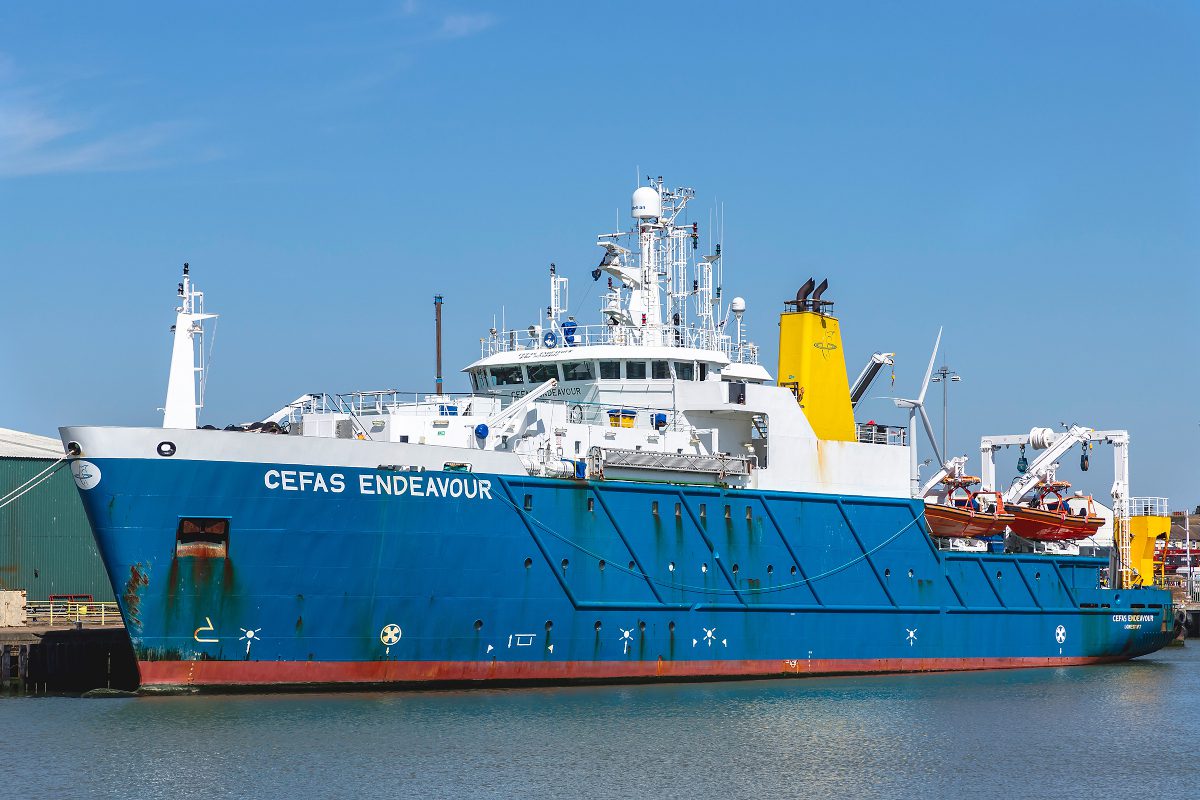
The government has committed to building the vessel in the UK, with the Centre for Environment, Fisheries and Aquaculture Science (Cefas) leading its delivery. It is expected to enter service in 2031 or 2032, replacing the RV Cefas Endeavour, which has supported UK marine science since 2003 and is due to retire in the early 2030s.
Able to accommodate more than 40 people, the new vessel will support a national system intended to bring together marine surveys, environmental data and monitoring technologies. Its remit will include monitoring marine pollution, mapping the seabed, assessing fish stocks and providing rapid scientific support during marine incidents.
Automation, robotics and AI are expected to feature prominently in its operation. Cefas already combines ship-based surveys with technologies including autonomous marine vehicles, SmartBuoys, remotely piloted aircraft and satellite observations in its marine monitoring work.
The organisation has also highlighted the potential for autonomous sensors, satellite data and AI to provide more frequent and cost-effective monitoring of problems such as nutrient pollution, complementing conventional research-vessel surveys.
The new ship will also be designed to reduce the environmental impact of its own operation. The government says it will run on “clean fuels”, while an earlier procurement notice for the project specified a multi-fuel vessel capable of using synthetic methanol, hydrotreated vegetable oil (HVO) and marine gas oil.2
That procurement notice, issued in 2024, envisaged a vessel with a service life of at least 30 years and placed the estimated contract value at £100 million excluding VAT. At that stage, however, the procurement remained subject to business-case approval.
Defra Chief Scientific Adviser Professor Anjali Goswami said the investment would allow marine science to inform decisions concerning “water, food and energy security”.
Cefas chief executive Tim Green described the project as a “once-in-a-generation investment”, adding: “This new vessel will give our scientists the capability to monitor and understand our changing seas, support sustainable fisheries and inform management decisions, and respond to growing marine challenges.”
The government is expected to engage with UK shipbuilders over the coming months as it moves towards the next stage of procurement, with the final design to reflect the vessel’s specialist scientific requirements.
Notes
[1] Department for Environment, Food & Rural Affairs and Cefas, “New research ship to be built in Britain, boosting British shipbuilding and transforming UK ocean science”, 28 September 2026.
[2] Find a Tender Service, “Cefas Research Vessel. Infrastructure to Support Future Delivery at Sea”, procurement notice 028748-2024.