
Ancient peat deposits formed by coastal forests thousands of years ago are supporting unexpectedly diverse marine ecosystems off Mozambique, according to research showing that the submerged habitats share many fish species with neighbouring coral reefs.
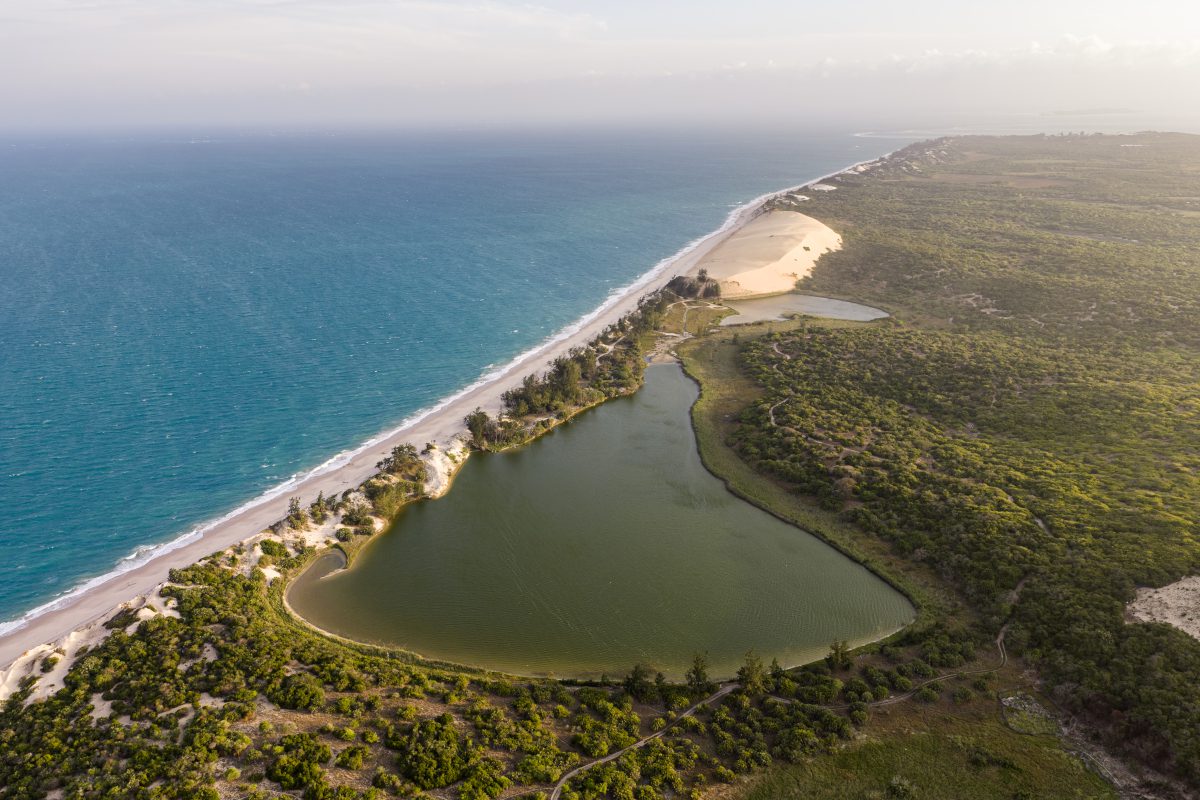
The study, published in Scientific Reports, documents submerged “peat reefs” in the shallow waters of the Bazaruto Archipelago in the western Indian Ocean. Conducted by the Bazaruto Center for Scientific Studies (BCSS) Ocean Observatory in collaboration with researchers from the UK, US and Canada, it is believed to be the first ecological investigation of tropical peat reefs, and the first to examine their biodiversity in detail.
The findings raise questions about how widespread such habitats might be, their potential role in storing carbon, and whether they should receive greater attention in coastal conservation planning.
Thousands of years in the making
The reefs consist of peat formed from the compressed, carbon-rich remains of coastal swamps and forests. As sea levels rose over thousands of years, these landscapes became submerged. Waves subsequently removed overlying sand, exposing firm peat platforms on the seabed that were colonised by marine organisms.
Radiocarbon dating indicates that the peat formed between approximately 300 and 5,000 years ago, while chemical analysis suggests it originated largely from terrestrial plants and trees.
The researchers surveyed three peat reefs and a neighbouring coral reef, comparing seabed cover, invertebrates, small fish and larger marine animals.
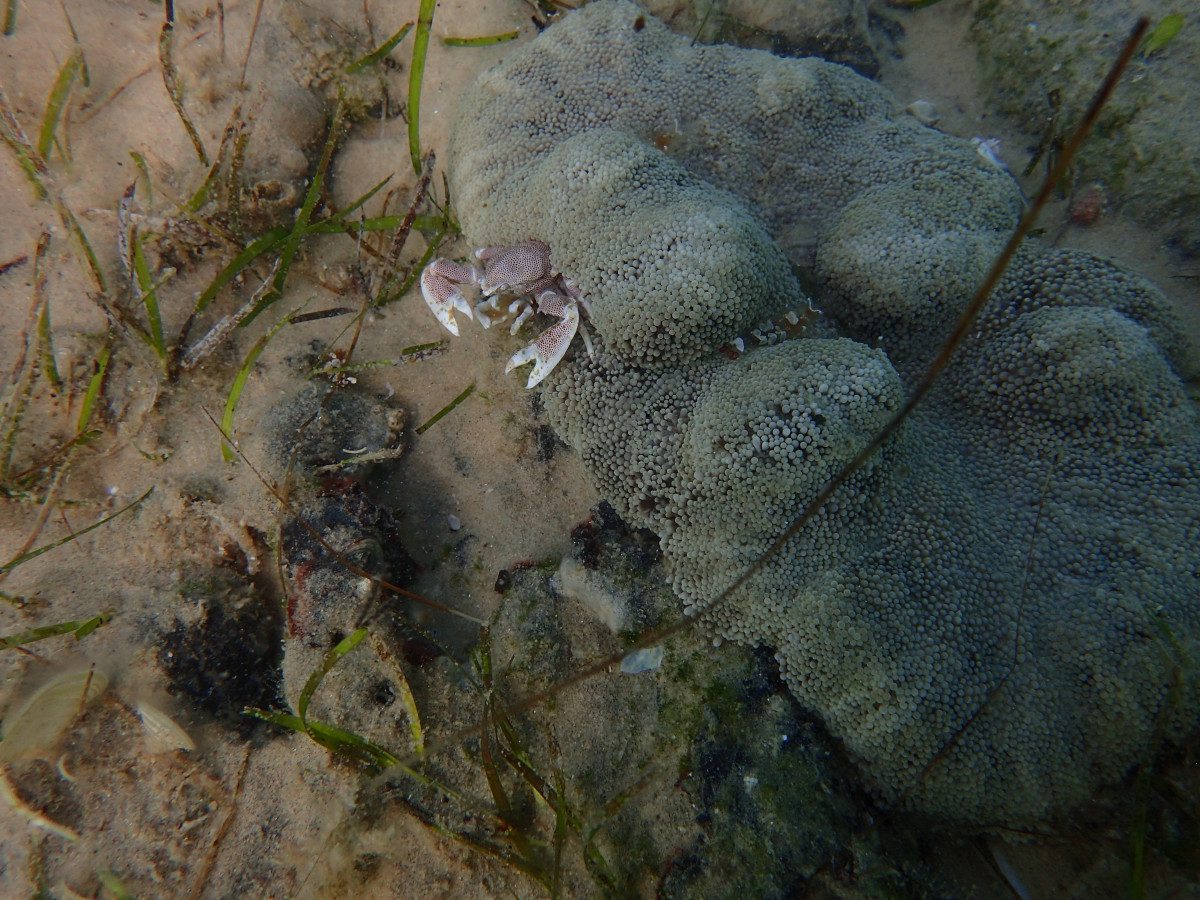
Although the peat reefs contain no living coral, they support diverse marine communities. Seagrass and seaweeds grow on the peat, while crevices and ledges provide shelter for spiny lobsters, oysters, barnacles and juvenile fish, including snappers and grunts commonly associated with coral reefs.
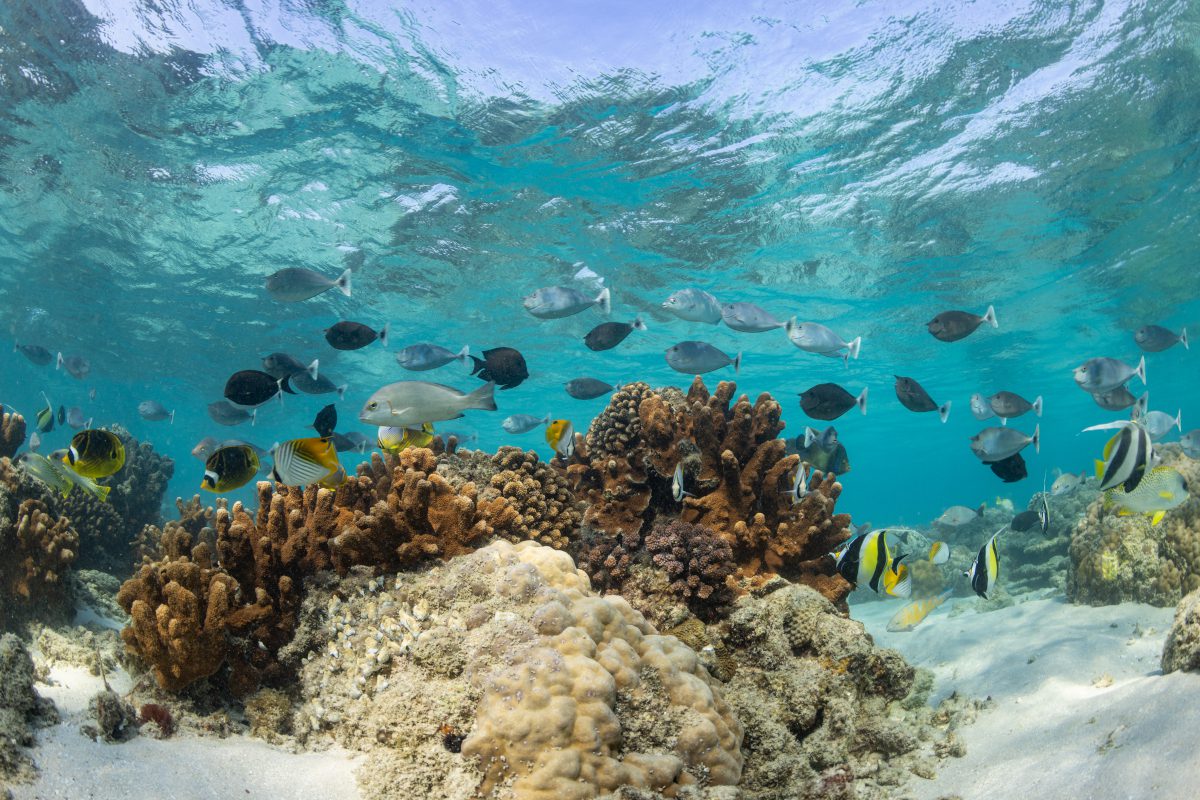
Each peat reef supported between 26 and 36 small fish species, with diversity measures comparable to those recorded on the coral reef. However, the communities of invertebrates attached to the seabed differed substantially between the two habitat types.
“What was once a forest floor is now a nursery for reef fish. We were surprised by how much life these ancient peat deposits support, and how many species move between them and the coral reefs nearby. This coastline has very little natural hard seabed, mostly shifting sand. When rising seas expose these old peat layers, they create rare, solid habitat where marine life can settle, hide and feed,” said Dr Mario Lebrato, lead author and co-founder of the BCSS Ocean Observatory.
The peat reefs occupy shallow waters, typically 2–4 metres deep, where they experience substantial daily temperature fluctuations and greater sunlight exposure than the neighbouring coral reef. Storms, cyclones and shifting sediments can also bury, expose or erode the deposits.
A potential blue-carbon store
The discovery also raises questions about the role of submerged peat in coastal carbon storage.
Some samples contained up to 40% organic carbon by dry weight, indicating that substantial quantities of carbon may remain preserved in these ancient deposits. However, the total carbon stocks of the reefs have not been quantified, and it remains unclear whether they are currently accumulating or releasing carbon.
The researchers say further measurements of peat thickness, density, erosion rates and greenhouse gas fluxes will be needed to establish their role in carbon cycling.
Such work could help determine whether peat reefs should be recognised alongside established blue-carbon habitats, such as mangroves and seagrass meadows, in coastal carbon assessments.
Implications for conservation
Similar peat reefs may exist in other tropical coastal regions, including Southeast Asia, the Caribbean and West Africa, but remain largely undocumented.
The findings indicate that these habitats could provide important refuges and feeding grounds for marine species, potentially complementing neighbouring coral reefs. However, their wider ecological significance and capacity to support marine biodiversity as coral reefs decline remain to be established.
The authors argue that peat reefs warrant greater consideration in coastal habitat mapping, conservation planning and assessments of historic carbon stocks.
Their discovery also highlights how coastal ecosystems can change in response to rising sea levels, with the remains of terrestrial habitats becoming the foundation for new marine communities.
Dr Mario Lebrato, lead author of the study, said: “The existence of tropical peat reefs underscores the resilience and adaptive reinvention potential of coastal ecosystems under pressure from sea-level rise and shoreline change.
“Their contribution to biodiversity, fisheries habitat, and potential legacy-carbon preservation should be recognised in coastal management and conservation strategies, particularly in regions where coral reef health is declining.”