



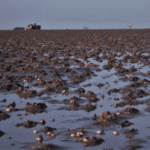
Cleaner water linked with smaller cockles that die younger
Better water quality in Wales’ most famous cockle area is linked with smaller cockles that have a higher mortality rate, a new survey of...

First UK study of synthetic chemicals found in food
The first comprehensive assessment of common synthetic chemicals found in UK foods has been completed by researchers at the University of Birmingham.
In the study,...

Super sewer progress
Recent aerial photography shows some of the changes being made to the banks of the Thames during the construction of London’s 25-km super-sewer, Tideway. Now said to be three-quarters complete – and on-schedule to finish in 2025 – the 2.5m-diameter tunnel will provide an extra 1.6 million m3 of storage in London’s sewers.

Sea rise reprieve?
A new study led by Durham University seems to show that the worst effects of global warming on the East Antarctic Ice Sheet (EAIS) could be avoided if temperatures do not rise by more than 2ºC above pre-industrial levels.
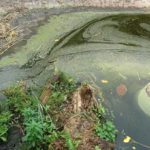
Study aims to better understand nitrogen pollution sources and solutions
Study traces the source of nitrogen pollution affecting the world’s second largest barrier reef
Agricultural operations are responsible for the vast majority of nitrogen...
Certain environment authority decisions are based on trust in citizen data
County administrative boards and the Swedish Forest Agency use species sightings reported by the public to make various environmental decisions. This is done largely...

All-time record level recorded for fire likelihood index
A combination of record temperatures and dry weather in the UK this summer are causing "exceptionally high" levels of danger from extreme wildfires, according...
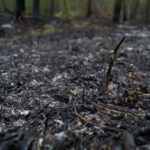
New methodology helps predict soil recovery after wildfires
Soils influence water quality, and they are critical to plant growth. However, it has been difficult to predict how plant growth and water quality...
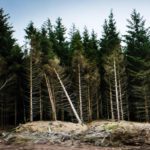
Monocultures or mixed species? Surprising new research shows how different forests cope with drought
Monocultures of some of the UK’s most economically important conifers may be more resilient to spring drought than mixed species forests, new research seems...

We need to change how we think about soil, says new research
With the UK reaching record temperatures this summer along with the driest conditions since 1976, ongoing concerns about food security, wildlife habitats and...

Uncrewed vessel returns from volcano caldera survey in Tonga loaded with ‘astounding’ data
A plethora of data and imagery obtained using an Uncrewed Surface Vessel (USV) is filling important gaps in scientists' understanding of the HungaTonga Hunga-Ha'apai...
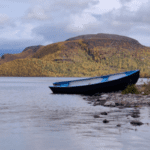
Natural clean-up: Bacteria can remove plastic pollution from lakes
A study of 29 European lakes has found that some naturally-occurring lake bacteria grow faster and more efficiently on the remains of plastic bags...

Wildlife charity calls on public to help count butterflies
Wildlife charity Butterfly Conservation is urging the whole nation to help Britain’s butterflies by taking part in the Big Butterfly Count.
The group revealed in...
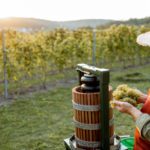
Study predicts growth in UK wine production due to climate change
New research appears to reveal how climate change is likely to increase the potential for wine production in the UK – with conditions projected...

Plankton will store more carbon as Earth’s climate warms
The amount of carbon stored by microscopic plankton will increase in the coming century, predict researchers at the University of Bristol and the National...

Pathogens hitch a ride on plastic
Microplastics are a pathway for pathogens on land to reach the ocean, with likely consequences for human and wildlife health, according to a study from the University of California, Davis.
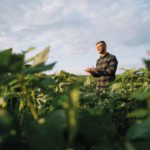
A quick handle on plant health
The chiral signature of a fragrance can reveal whether a perfume is genuine or fake. Similarly, the chiral signature of the emissions of a plant can provide information on whether it is healthy or damaged. Researchers have developed a new approach they say can identify such chiral signatures.

Repairing nature will require genomics, argues paper
The monumental global task of restoring degraded ecosystems will need to include sophisticated technologies such as environmental DNA monitoring to understand and support the...
A global observatory is needed to understand how global change is transforming forests
Leading forest researchers from around the world call for a global forest observatory to provide much-needed data on the current and future ability...

Project sets out to create compostable crop sensors
An international research collaboration is setting out to find new ways of monitoring crop growth with biodegradable sensors which can be composted at the...