



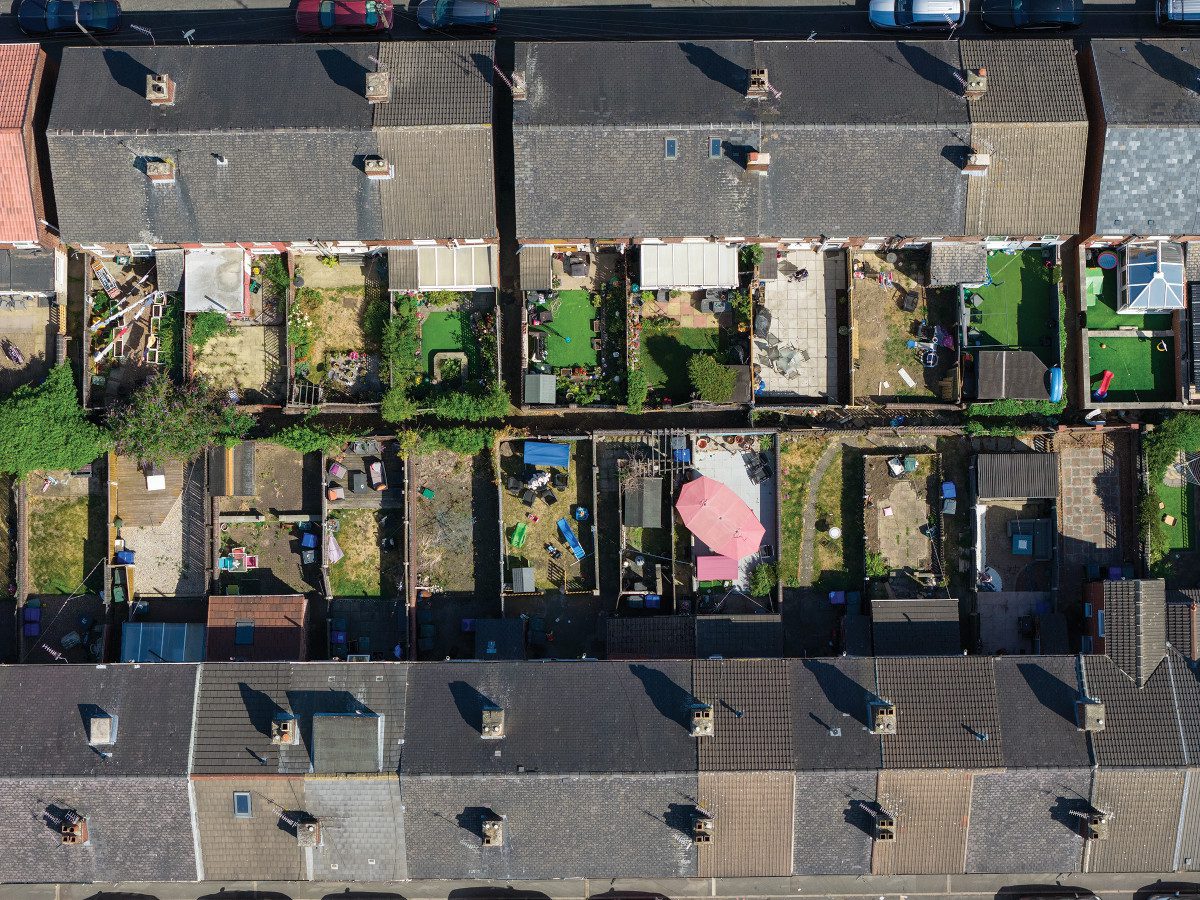
Despite the extensive research into the effects of urban vegetation on air pollution, surprisingly little is known about whether domestic gardens actually improve the air people breathe, according to a new review led by the University of East London (UEL).
Published in Nature-Based Solutions, the review examined more than 34,000 studies, of which just 43 met the researchers’ criteria for investigating gardens and air pollution. None directly measured whether domestic gardens reduced pollutant concentrations or improved household air quality.
The researchers say this represents an important evidence gap. The UK has an estimated 25.8 million gardens covering around 959,800 hectares, while domestic gardens account for approximately 41 per cent of London’s total area.
Effects of vegetation depend on surroundings
Research into other forms of green infrastructure provides substantial evidence that trees, hedges, shrubs and other vegetation can capture particulate matter on their surfaces and absorb gaseous pollutants.
However, the review cautions against assuming that these findings apply directly to domestic gardens. Buildings, fences, sheds and parked vehicles can alter airflow and pollutant concentrations.
This means vegetation that captures pollution does not necessarily reduce people’s exposure to it. Dense planting, for example, can capture particles but may also restrict ventilation and potentially allow pollutants to accumulate.
Dr Karina Corada-Pérez, Research Fellow in Air Quality and Green Infrastructure at UEL’s Sustainability Research Institute, said: “Most of us think of gardens as healthy green spaces, and they absolutely provide many important benefits. But when it comes to air quality, we simply don’t yet know enough.
“Plants can capture pollutants, but a garden is much more than a collection of individual plants. Its layout, boundaries, proximity to roads and buildings, and the way air moves through the space may all influence whether vegetation helps reduce pollution or allows it to accumulate.”
Growing food near pollution sources
The review also identifies unanswered questions about growing fruit, vegetables and herbs near busy roads or industrial areas.
Previous research has found elevated concentrations of metals, including lead, in some edible plants grown near major traffic routes. Some studies have found leafy herbs such as parsley and mint accumulating more contamination than root vegetables or legumes, with some crops grown within ten metres of busy roads exceeding European threshold values.
The authors say more research is needed into how garden location, barriers and planting arrangements influence the transfer of airborne pollutants into soils and crops.
Plant selection itself may involve trade-offs. Rough, hairy or waxy leaves can be effective at capturing particles, while the dense evergreen foliage of conifers may increase their ability to capture fine particulate matter. Some species, however, emit naturally occurring compounds that can contribute to secondary air pollution under certain conditions, while others produce highly allergenic pollen.
Gardening activities including mowing, pruning and using petrol-powered equipment may also affect local air quality, although their significance in domestic gardens remains poorly understood.
Research in real gardens
The authors indicate the need for studies examining how pollutants move through residential gardens and how plant type, density and positioning affect exposure. They also want air-quality effects to be considered alongside other functions of gardens, including biodiversity, urban cooling, flood management, food production and wellbeing.
Corada-Pérez said: “Because millions of people spend time in their gardens, grow food in them and open their homes onto them, we urgently need research in real domestic gardens. Only then can we give homeowners, planners and policymakers reliable advice about which planting choices are most likely to support cleaner air.”
Rather than recommending particular species or garden designs on the basis of existing green-infrastructure research, the review argues that future guidance should draw on evidence gathered in real homes and neighbourhoods.
“Impact of domestic gardens on local air quality – How much do we know?” is published in Nature-Based Solutions in December 2026.